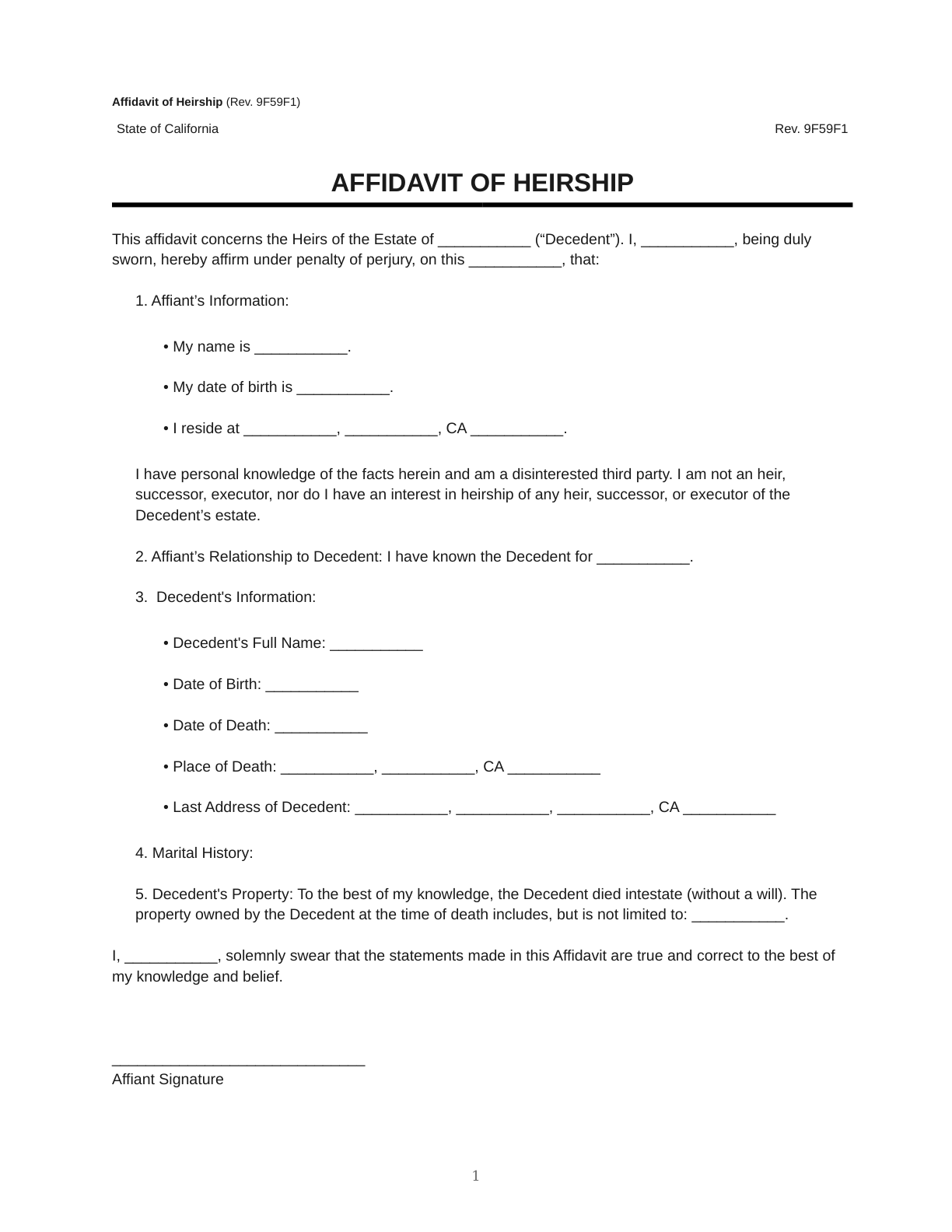
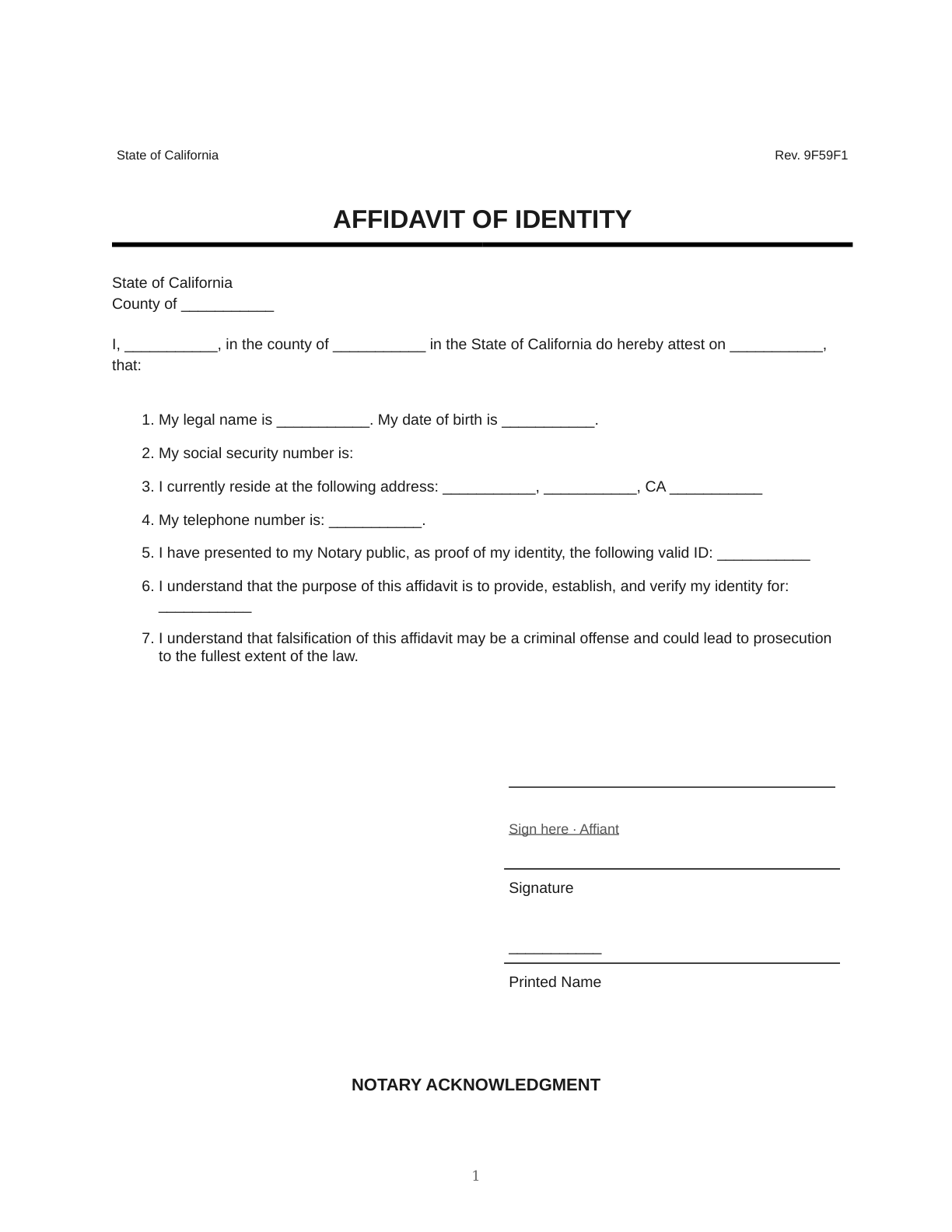
An affidavit template lets you put facts in writing under oath for a court, bank, agency, school, or other recipient that needs a sworn statement. Answer guided questions, preview the completed general affidavit form, then download as PDF or Word. You can also send it for e-signature when your recipient accepts an electronic signature on the sworn statement itself (notarization still requires a notary).
What is an affidavit?
An affidavit is a written statement of facts that the affiant (the person making the statement) swears or affirms is true. In most U.S. jurisdictions, a traditional affidavit is completed before a notary public or other authorized officer, who confirms identity and completes a jurat or acknowledgment.
Courts, agencies, and private parties use affidavits when they need a formal record of facts the affiant knows personally, such as identity, residence, ownership, service of papers, or a sequence of events.
An affidavit records facts under oath. False statements can expose the affiant to perjury or other penalties, so only swear to facts you know.
What's included
This general affidavit form covers the core pieces of a notary-ready sworn statement:
- Affiant identity: name and address of the person swearing to the facts
- Venue: state and county where the affidavit is made
- Statement of facts: one or more numbered facts sworn as true
- Optional court caption: court name, case number, and parties when the affidavit is for a case
- Perjury affirmation: language confirming the facts are true to the best of the affiant's knowledge
- Signature block: space for the affiant's signature (e-sign compatible)
- Notary acknowledgment: state, county, and blank notary lines (jurat-style acknowledgment)
How to prepare your affidavit
Decide whether this is for a court case
If the affidavit will be filed in a case, choose yes for a court filing. That unlocks caption fields for the court, case number, and parties.
Identify the affiant
Enter the full legal name and current address of the person who will swear to the facts. Use the same name that appears on a government ID if a notary will verify identity.
Write clear sworn facts
State each fact in plain language. Number additional facts if you need more than one. Stick to what you personally know. Avoid speculation or legal conclusions.
Add court details when needed
For a court filing, list the court and jurisdiction, case number if you have it, and the plaintiff and defendant names.
Set the date and notary venue
Choose the affidavit date and the state and county where you expect to notarize. Then review the live preview, download, sign, and complete notarization when required.
Affidavit vs declaration
People often confuse affidavits with declarations. An affidavit is typically sworn before a notary or officer. An unsworn declaration under federal law (28 U.S.C. 1746) can substitute for a sworn affidavit in many federal contexts when it is signed under penalty of perjury. State practice varies. If the recipient requires a notary seal, use the notarized affidavit format and leave the notary block for an authorized notary.
When you need an affidavit
Common uses for a general affidavit or sworn statement template include:
- Court filings: supporting motions, proofs of service-related facts, or other filings that ask for a sworn statement
- Identity or residence proof: confirming who you are or where you live for an agency, school, or landlord
- Financial or ownership facts: recording facts about assets, gifts, or ownership when a specialized form is not required
- Name or personal history: supporting name-change or similar administrative requests when a general sworn statement is accepted
If you need a specialized form (for example, a small estate affidavit or residency affidavit), use the related document that matches that purpose.
Notary requirement
Whether an affidavit must be notarized depends on the recipient and state law. Many courts and agencies expect a notary acknowledgment or jurat. Check your state's notary handbook or the official notary page for remote notarization rules, ID requirements, and seal format. Prefer official sources such as your secretary of state or notary commissioning authority.
Related documents
Browse the full Affidavits collection or start with these specialized templates:
- Small Estate Affidavit
- Affidavit of Heirship
- Affidavit of Residency
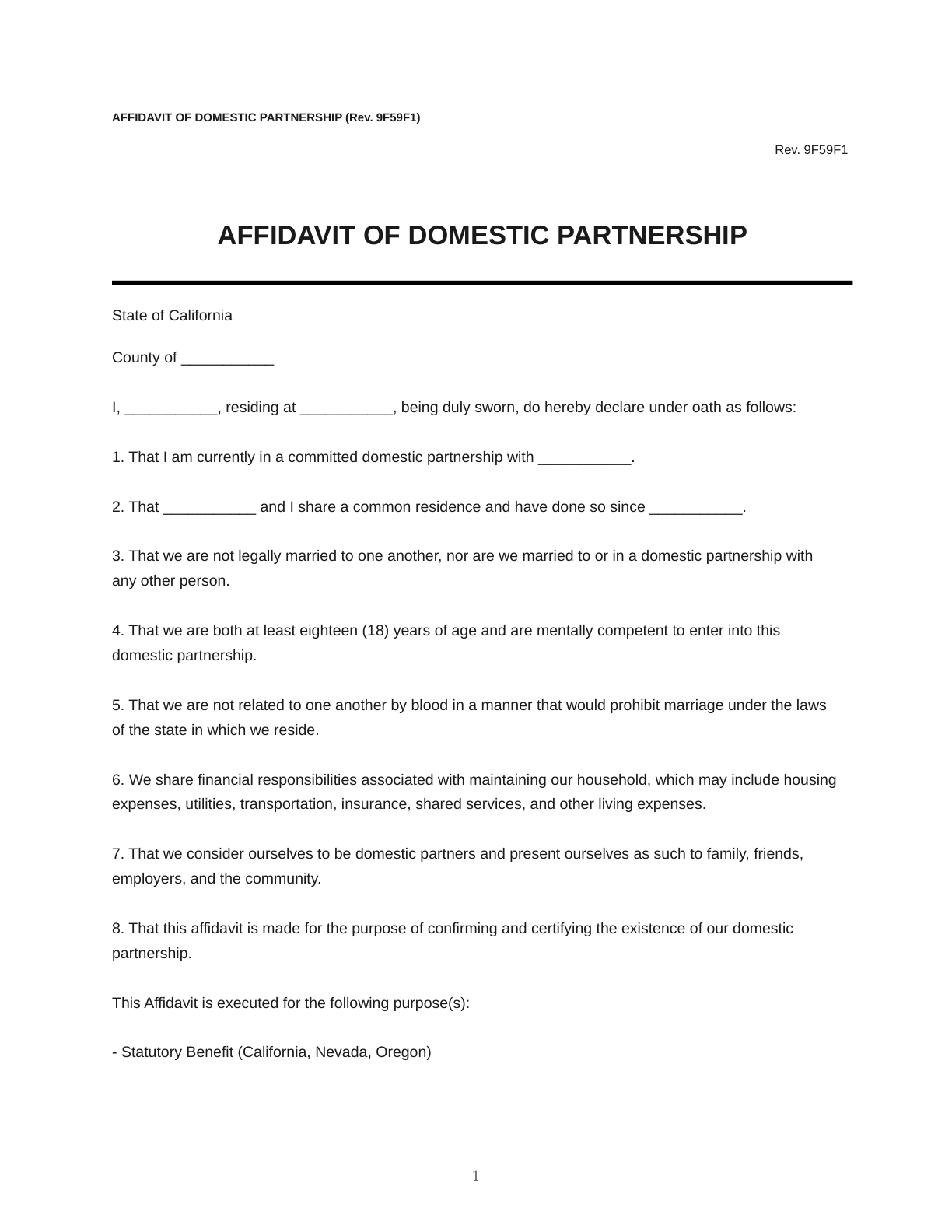
- Affidavit of Domestic Partnership
- Affidavit of Service
- Affidavit of Identity
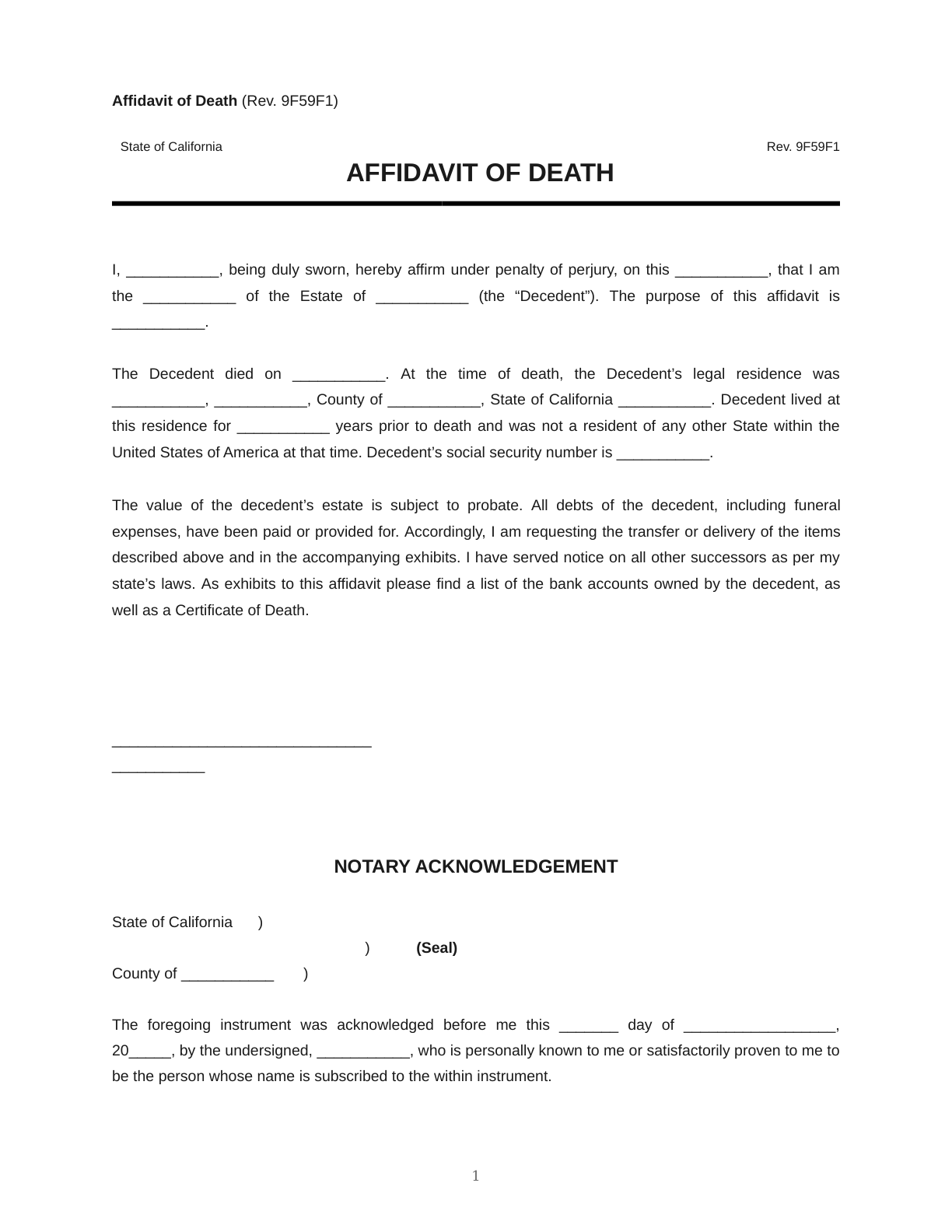
- Affidavit of Death
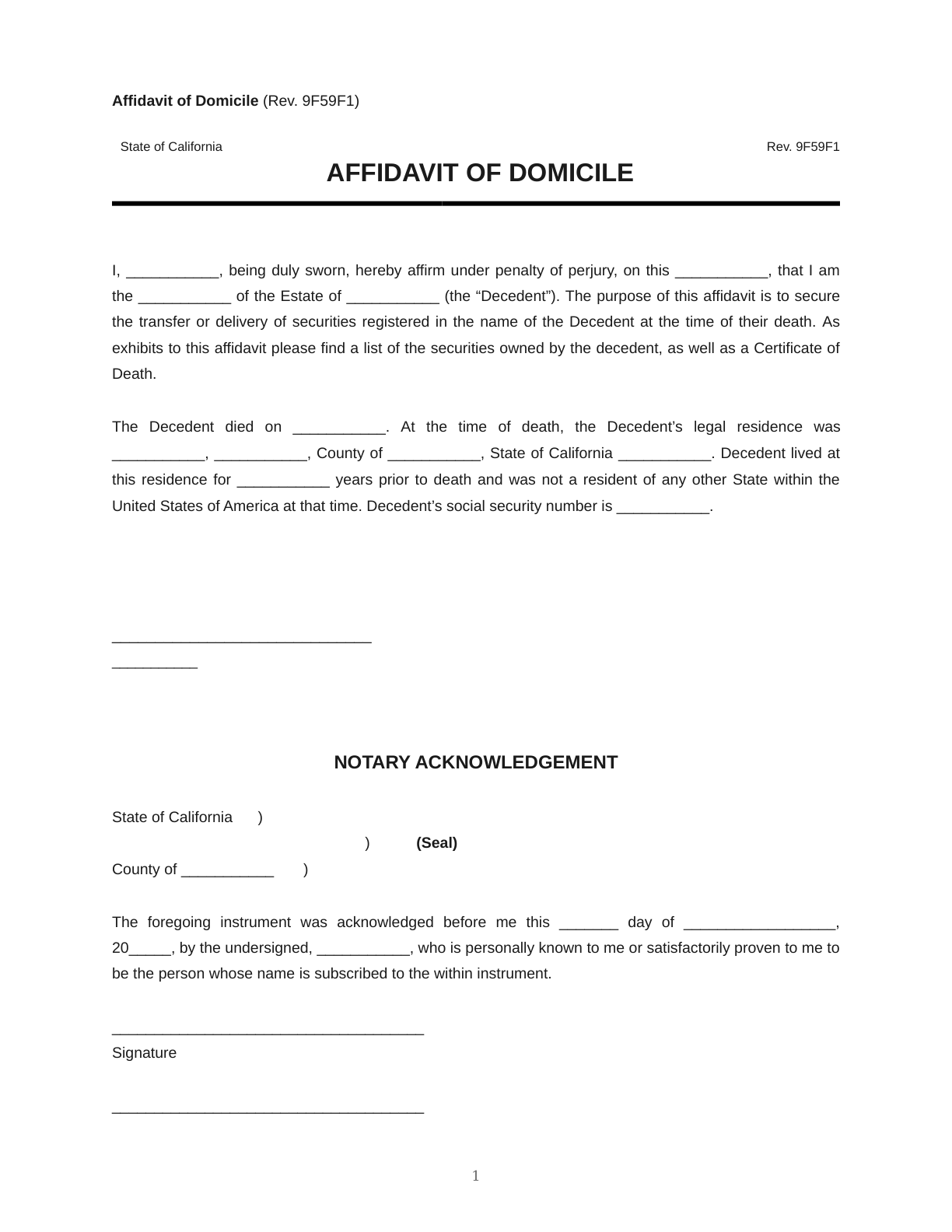
- Affidavit of Domicile
- Financial Affidavit
- Affidavit of Marriage
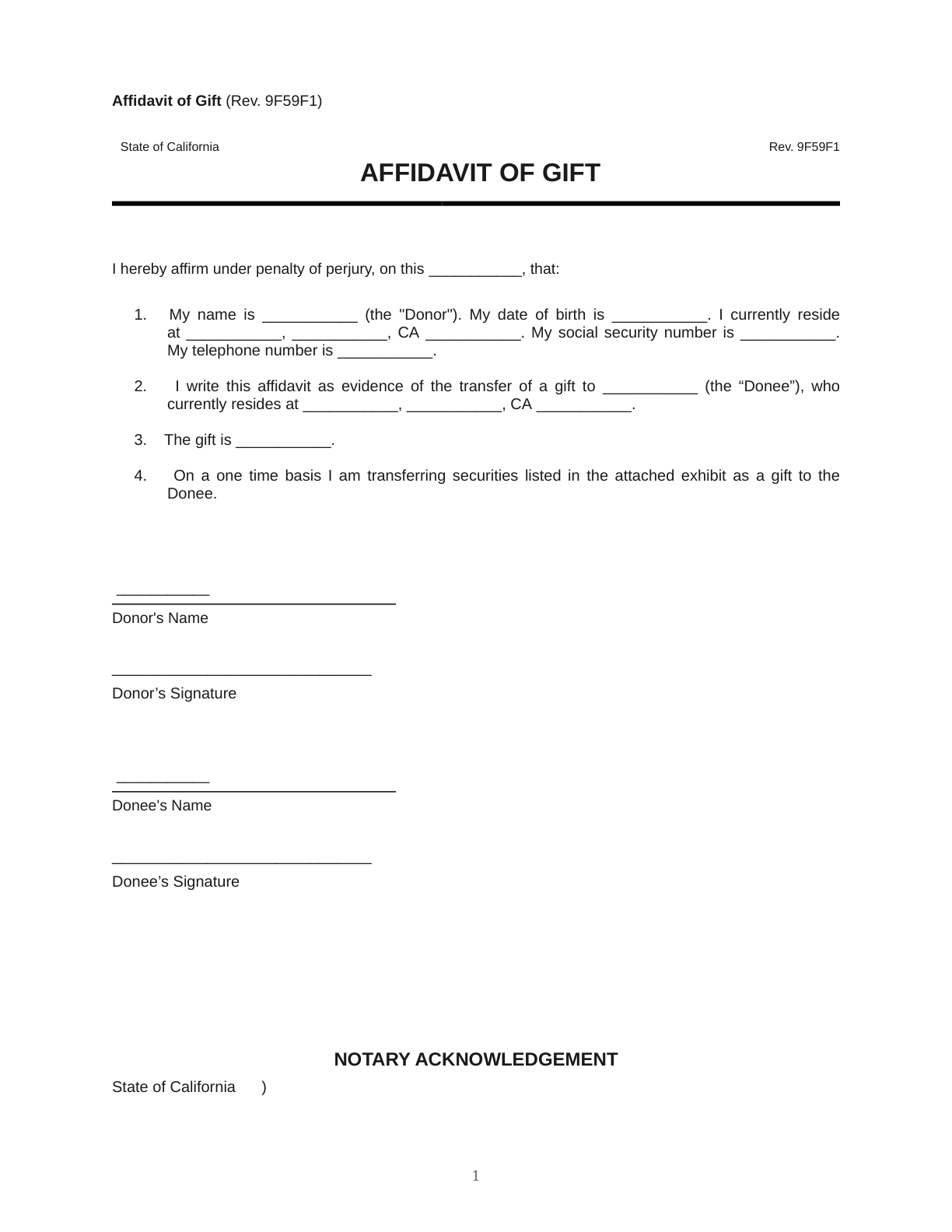
- Affidavit of Gift
- Affidavit of Title
- Affidavit of Ownership
- Self-Proving Affidavit
- Affidavit of Paternity
More dispute and letter templates live in Disputes & Letters.
Frequently asked questions
Frequently asked questions
Affidavit — other states
Browse affidavit templates for other US states.
- Alabama
- Alaska
- Arizona
- Arkansas
- California
- Colorado
- Connecticut
- Delaware
- Florida
- Georgia
- Hawaii
- Idaho
- Illinois
- Indiana
- Iowa
- Kansas
- Kentucky
- Louisiana
- Maine
- Maryland
- Massachusetts
- Michigan
- Minnesota
- Mississippi
- Missouri
- Montana
- Nebraska
- Nevada
- New Hampshire
- New Mexico
- New York
- North Carolina
- North Dakota
- Ohio
- Oklahoma
- Oregon
- Pennsylvania
- Rhode Island
- South Carolina
- South Dakota
- Tennessee
- Texas
- Utah
- Vermont
- Virginia
- Washington
- West Virginia
- Wisconsin
- Wyoming