An Airbnb lease addendum is a signed amendment where a landlord formally allows a tenant to sublease or list a unit for short-term stays. If you rent a property and plan to host on Airbnb, Vrbo, or Booking.com, a verbal “go ahead” from your landlord is usually not enough — and it does not resolve conflicts with a standard lease agreement or residential lease agreement. This template produces a written consent you attach to your master lease.
This is a single national template. Local STR ordinances, HOA rules, and tax rules vary. Landlord consent is only one compliance layer; it does not override a city ban or condo prohibition.
Parties table and STR compliance clauses
Collect individual or entity landlords and tenants (with optional ID numbers printed on the consent), add up to three co-tenants per side, and attach STR clauses for permits, occupancy tax, host insurance, guest limits, indemnification, and revocation of consent.
What is a short-term rental lease addendum?
Most leases assume long-term residential use and either ban subleasing or require written landlord approval first. Guests who stay a few nights through a booking platform are treated differently from a traditional subtenant with a months-long lease.
This addendum records landlord approval in writing: parties, original lease date, property address, and conditions such as one-time vs recurring consent, whether sublease rent may exceed the tenant’s rent, and custom rules in Additional Provisions.
Written landlord consent can authorize short-term sublets under your lease — but you still need city registration, HOA approval where applicable, insurance, and tax compliance. This addendum does not make an illegal STR legal.
Why verbal approval fails — and why the base lease matters
Informal OK — a text, email, or conversation — offers little protection if a neighbor complains, a guest damages the unit, or the city cites an unregistered STR. Courts and property managers rely on the signed lease and written amendments.
Without a signed addendum you may breach:
- No-sublet / no-assignment clauses (platform guests count as subtenants)
- Residential use only language that forbids transient or commercial lodging
- Occupancy and nuisance rules triggered by high guest turnover
The addendum should expressly override those restrictions for approved short-term sublets, name permitted platforms, and attach to the original lease when possible so lenders, insurers, and regulators see one complete file.
Three layers: lease, city, and HOA
Lease (this document). Landlord consent is the first gate. Without it, you risk default even where the city allows STRs.
City and county law. Many jurisdictions require an STR permit or registration before advertising. Some cities ban non-owner-occupied rentals or cap nights per year (often 90 or 180 days). Landlord consent does not override a local ban. Check your planning or housing department for current rules.
HOA, condo, or co-op. Governing documents may forbid rentals under 30 days or require board approval. Restrictions bind the owner and typically flow to tenants. Get written HOA approval when you are in a common-interest community.
Primary residence laws in many cities require the host to live on site part of the year. Rental arbitrage — leasing a unit you do not occupy and re-renting nightly — may be prohibited even when owner-occupied homesharing is allowed.
Platforms, insurance, and taxes
Name Airbnb, Vrbo, and Booking.com (or a narrower list) in additional provisions so consent matches your listings.
Insurance: Standard renters and many landlord policies exclude paying guests. Hosts often need host liability coverage; landlords may require an STR endorsement on the property policy. Require proof of coverage before the first booking.
Taxes: Stays may trigger lodging or occupancy taxes plus reportable rental income to the IRS. Platforms sometimes collect and remit on your behalf; in other markets you must register with the city or state tax authority, display a permit number on the listing, and file returns on a set schedule. Specify who obtains the registration, collects from guests, and remits in additional provisions — ambiguity here is a common source of fines.
One-time vs recurring consent
This form offers two modes:
- One-time — Approves a specific sublease period; useful for a trial or defined dates.
- Recurring — Ongoing permission to list on approved platforms for the lease term, subject to the addendum’s conditions.
Most hosts need recurring consent; either way, sign before the first guest checks in.
What to include in additional provisions
Use the free-text field for local rules the base template does not cover:
- Approved platforms (Airbnb, Vrbo, Booking.com)
- Night caps aligned with city law (e.g., 90 or 180 nights per year)
- Revenue sharing or caps on sublease rent above base rent
- Landlord review of listing content and house rules
- Guest limits, no-party rules, and ID verification
- Insurance certificates and STR permit numbers
- Tax registration and who remits occupancy tax
- Revocation triggers (complaints, unpaid taxes, noise violations)
Write each rule in complete sentences so the signed PDF stands alone.
What this template includes
The guided form collects landlord and tenant names (with optional additional tenants), references the original lease or rental agreement and its date, the full property address, sublease timing and how many days before execution the tenant must submit a copy to the landlord, whether furnishings are included, one-time or recurring consent, whether sublease rent may exceed the original rent, optional additional provisions, governing law (typically the property’s state), and the consent date. You can choose whether to attach a copy of the master lease to keep records together.
Landlords reviewing a prospective tenant who plans to host should still run standard screening — for example with a rental application — before signing any STR consent.
How it works on Doqu
Link the original lease
Enter landlord and tenant names, the underlying agreement type and date, and the property address.
Set consent and sublease terms
Choose one-time or recurring consent, sublease timing, rent rules, and additional provisions for platforms, caps, insurance, and taxes.
Preview, sign, and attach
Review the live preview, collect e-signatures, and attach the addendum to your master lease.
Related documents
Frequently asked questions
Sample document preview
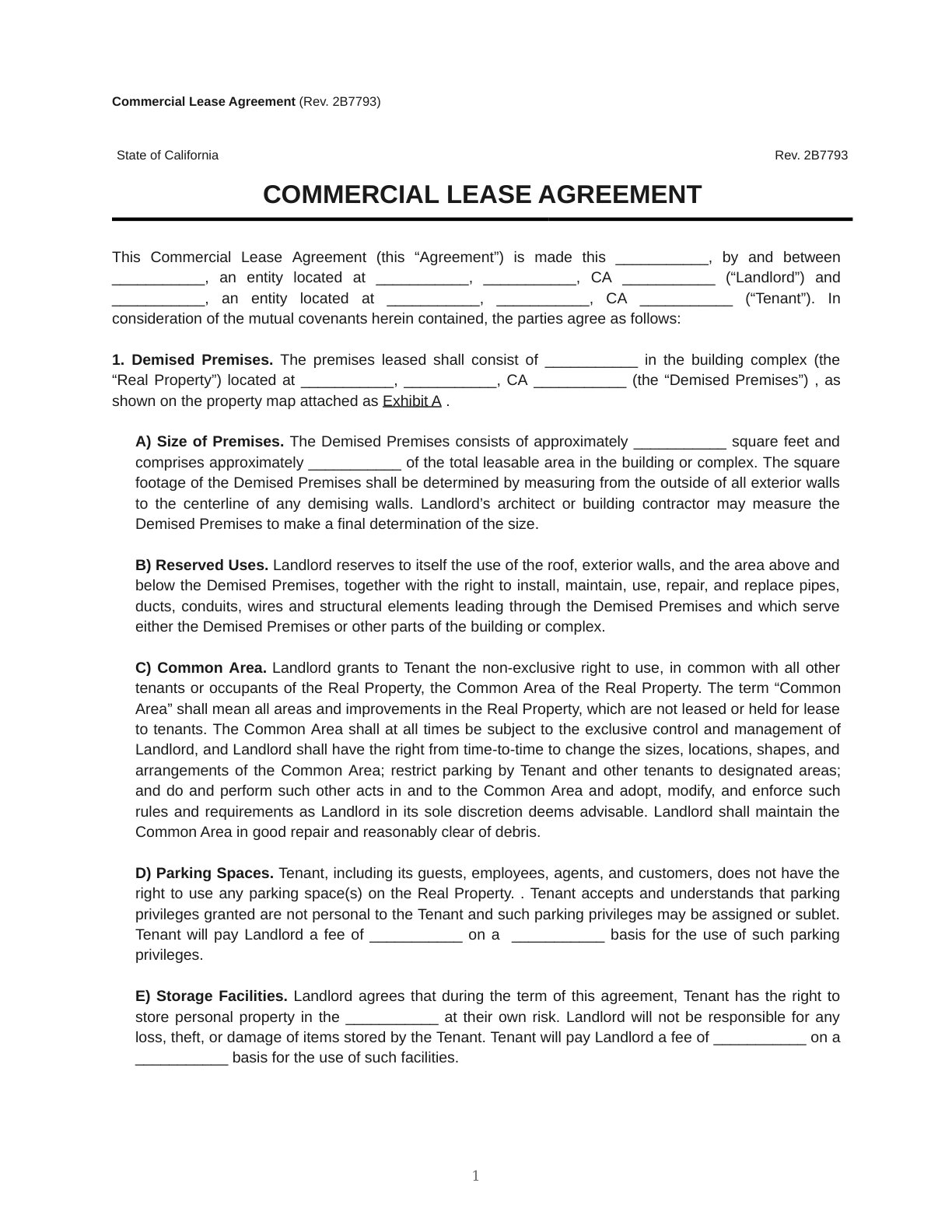
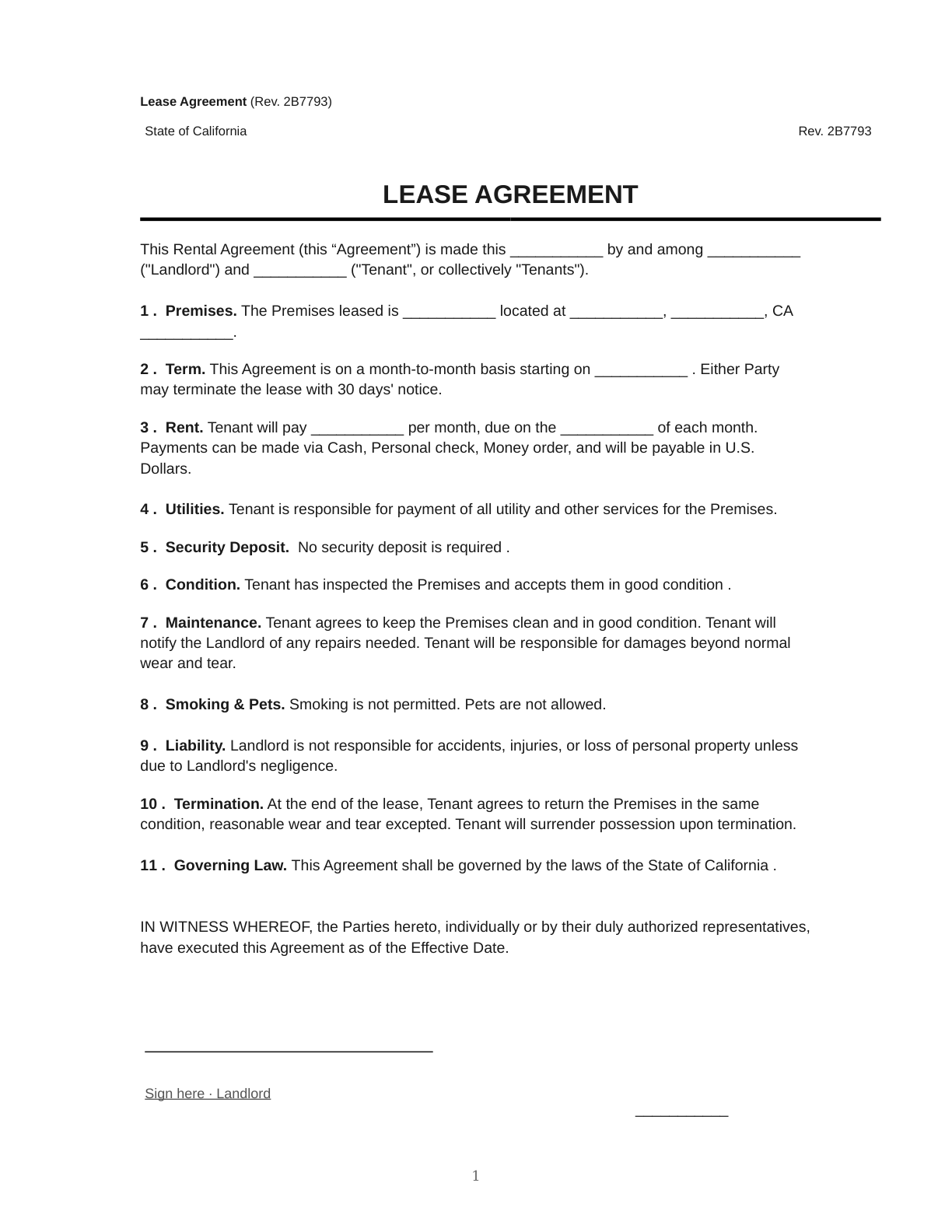
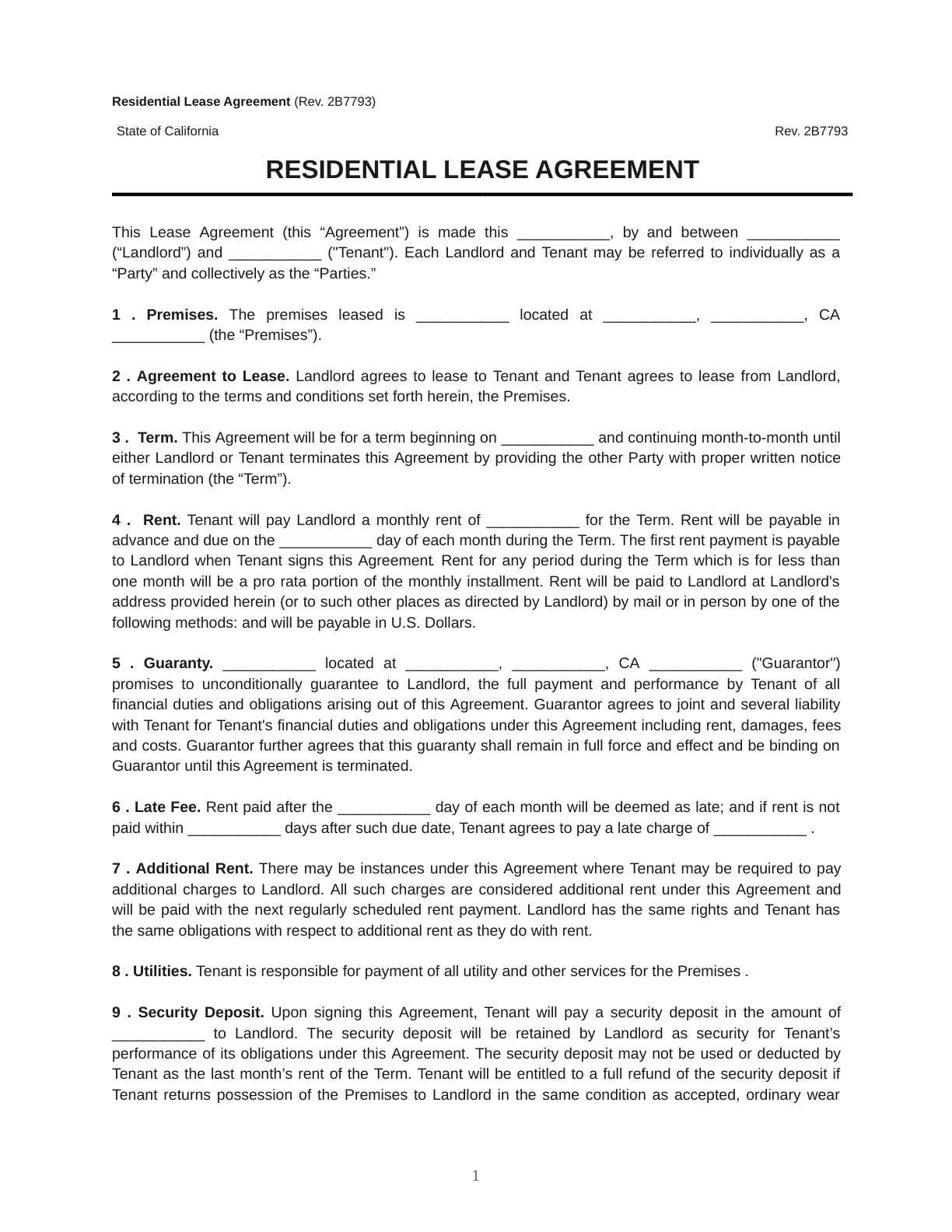
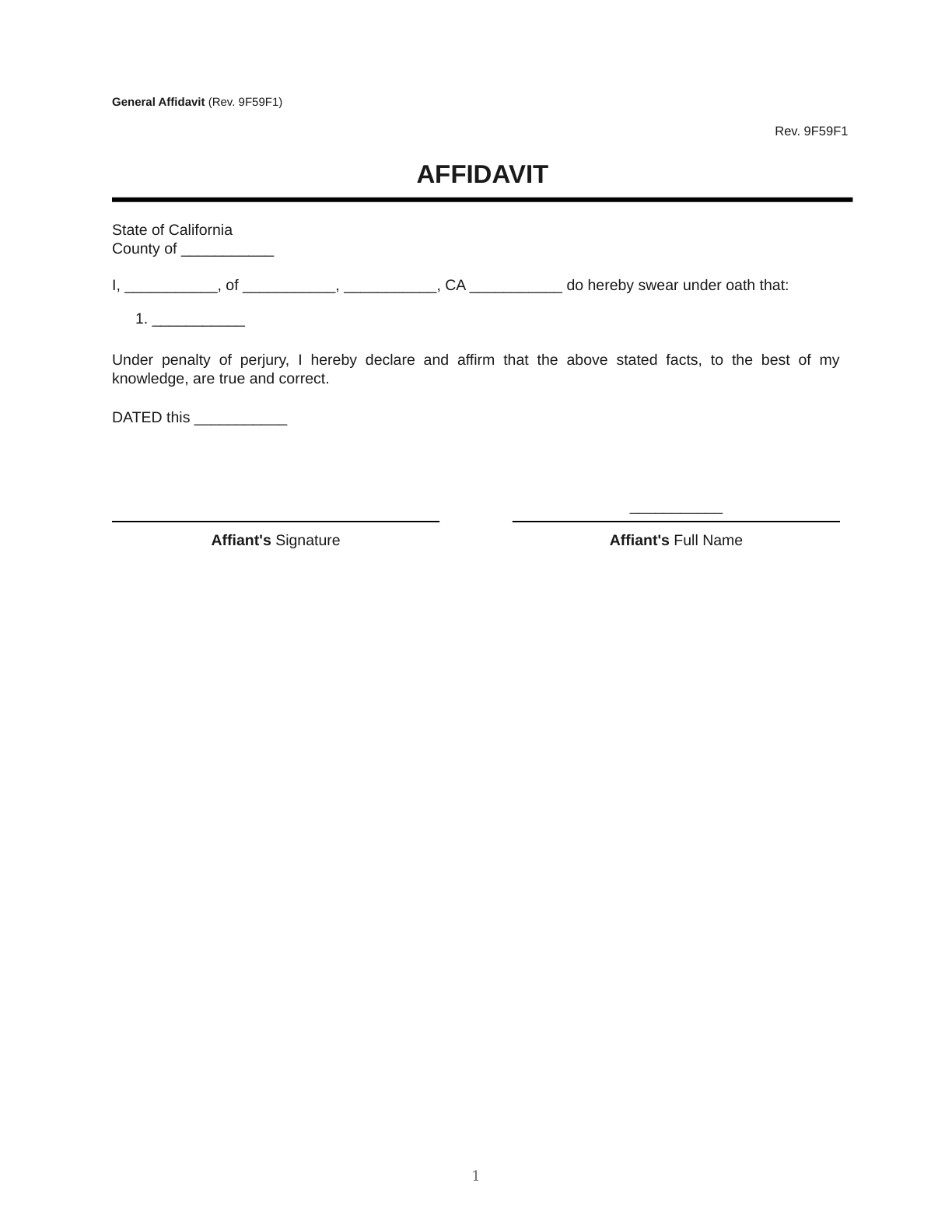
This page includes a sample Airbnb Lease Addendum (California) with blank answer lines. Names, dates, dollar amounts, and other details are intentionally left unfilled so you can see the document structure.
Downloadable sample PDF and Word files include only the first 2 pages, plus a final page with a link to create the full document on Doqu. They are not complete, usable legal documents.
To complete this document: use the Doqu editor to answer guided questions. Your live preview updates as you fill in each field, then you can download or send the document for e-signature.
Download the sample files below to review layout and clause structure before you start.
Airbnb Lease Addendum — other states
Browse airbnb lease addendum templates for other US states.
- Alabama
- Alaska
- Arizona
- Arkansas
- California
- Colorado
- Connecticut
- Delaware
- Florida
- Georgia
- Hawaii
- Idaho
- Illinois
- Indiana
- Iowa
- Kansas
- Kentucky
- Louisiana
- Maine
- Maryland
- Massachusetts
- Michigan
- Minnesota
- Mississippi
- Missouri
- Montana
- Nebraska
- Nevada
- New Hampshire
- New Jersey
- New Mexico
- North Carolina
- North Dakota
- Ohio
- Oklahoma
- Oregon
- Pennsylvania
- Rhode Island
- South Carolina
- South Dakota
- Tennessee
- Texas
- Utah
- Vermont
- Virginia
- Washington
- West Virginia
- Wisconsin
- Wyoming