Leasing retail, office, warehouse, or restaurant space? Create a commercial lease agreement free to start: answer guided questions, preview the full document, then download as PDF or Word when you are ready.
Commercial leases run longer and carry more risk than residential rentals. Rent is only part of the picture. You also need clear rules on permitted use, common-area charges, insurance, default, and renewal. This form helps landlords and tenants put those terms in writing before anyone moves in or opens for business.
Entity landlords, multiple parties, and ID verification
The form supports An individual or An entity for landlord and tenant, with representative name/title for companies, up to four e-signers per side, notice addresses, email, phone, and optional government ID on the Parties table. New clauses cover estoppel, joint liability, and electronic counterparts.
What is a Commercial Lease Agreement?
A commercial lease agreement is a written contract between a landlord (or property owner) and a business tenant. It grants the tenant the right to use non-residential space for a defined purpose, for a set term, in exchange for rent and other charges spelled out in the document.
Unlike apartment leases, commercial deals are heavily negotiated. Both sides should read every section before signing, because courts generally enforce clear written terms.
A commercial lease protects both sides when rent, permitted use, operating expenses, and default remedies are defined upfront. Vague language on CAM, insurance, or renewal is where most costly disputes start.
Gross lease vs net lease
Before you fill in payment fields, agree on the lease type. This shapes who pays property taxes, insurance, and maintenance beyond base rent.
- Gross lease: The tenant pays a flat rent amount. The landlord typically covers taxes, insurance, and many operating costs out of that rent. Common in some office markets.
- Net lease: The tenant pays base rent plus some or all operating expenses. In a single net (N) lease, the tenant may pay property taxes. Double net (NN) adds insurance. Triple net (NNN) often passes taxes, insurance, and common-area maintenance (CAM) to the tenant.
- Modified gross: Rent includes some expenses, but specific costs (utilities, janitorial, CAM above a cap) pass through to the tenant.
Your agreement should state which model applies and list every charge the tenant pays on top of base rent. If CAM is included, define what counts as common area and how costs are allocated among tenants.
What's included
This template covers the clauses most landlords and business tenants expect:
- Property: Space type, address, square footage, common areas, parking, and storage
- Parties: Landlord and tenant contact information
- Lease payment: Term, rent, deposit, late fees, renewal, operating costs (CAM), taxes, and holdover rent
- Use and occupancy: Permitted purpose, tenant obligations, improvements, repairs, utilities, and signs
- Insurance: Liability coverage, property damage, and certificates of insurance
- Disputes and termination: Assignment, subletting, casualty, condemnation, and default remedies
- Final details: Governing law, dispute resolution, and execution date
How to prepare your commercial lease
Define the space, use, and lease structure
Start with the property type and full address. State the rentable square footage and whether the tenant receives parking, storage, or shared common areas. Next, lock in the permitted use: the specific business activity allowed (for example, retail sales, professional office, or food service). Restrictions on hours, signage, and hazardous materials belong here too.
Decide whether the deal is gross, net, or modified gross, and record the lease term (start date, end date, and any early-access period). If the tenant will build out the space, describe who pays for improvements and who owns them at lease end.
Set rent, CAM, deposits, and renewal
State base rent, when it is due, and acceptable payment methods. If the tenant pays operating costs or CAM, explain how charges are estimated, reconciled, and billed. Include caps or audit rights if you negotiate them.
Define the security deposit amount and conditions for return. Add late payment rules: grace period, fees, and interest if allowed in your state. For renewal, choose whether the tenant gets an automatic extension, a right of first refusal, or must negotiate a new term before expiration. Clear renewal language prevents holdover disputes.
Confirm insurance, default, and governing law
Commercial tenants usually must carry general liability and property damage insurance, and name the landlord as an additional insured on a certificate. Specify minimum coverage limits and how soon proof must be delivered after signing.
The default section should list what counts as a breach (unpaid rent, unauthorized use, failure to maintain insurance, bankruptcy) and what remedies follow: notice, cure period, termination, acceleration of rent, or possession of the premises. Choose governing law and how disputes will be resolved (court, mediation, or arbitration). Both parties should sign only after names, dates, and dollar amounts match the deal you actually made.
Rules worth checking before you sign
Contract freedom. Courts in most states enforce clear commercial lease terms under general contract principles, subject to applicable statutes.
Zoning and permitted use. Confirm your business activity is allowed at the address with the local planning office before you commit to a long term.
Insurance. The Small Business Administration outlines common coverage types landlords require from tenants.
E-signatures. Electronic signatures are generally valid under the ESIGN Act when all parties consent to electronic records.
Related documents
Browse more in Rental Agreements templates.
For a general residential or mixed-use rental, see the Lease Agreement template. If you are leasing a home or apartment to a individual tenant, use the Residential Lease Agreement instead.
Frequently asked questions
Sample document preview
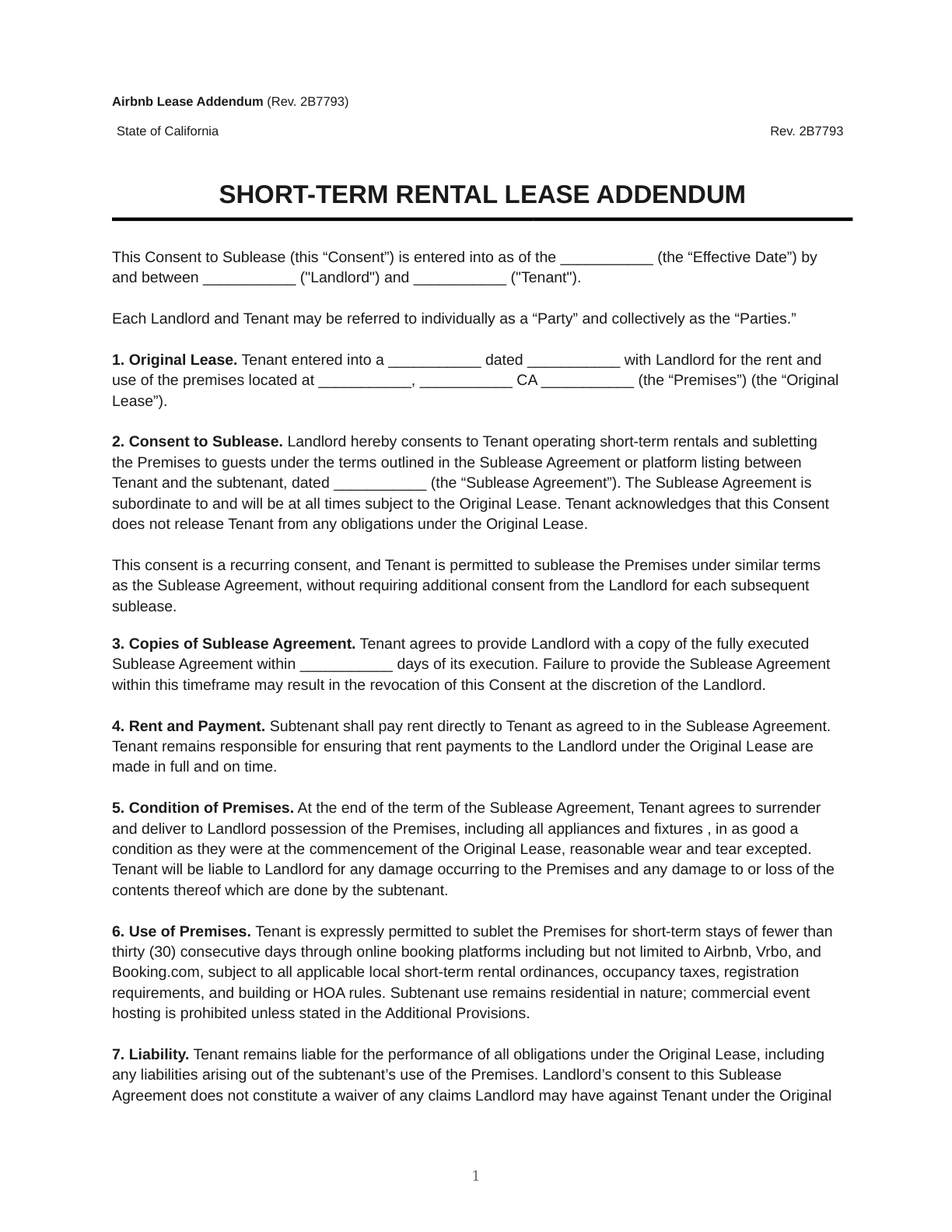
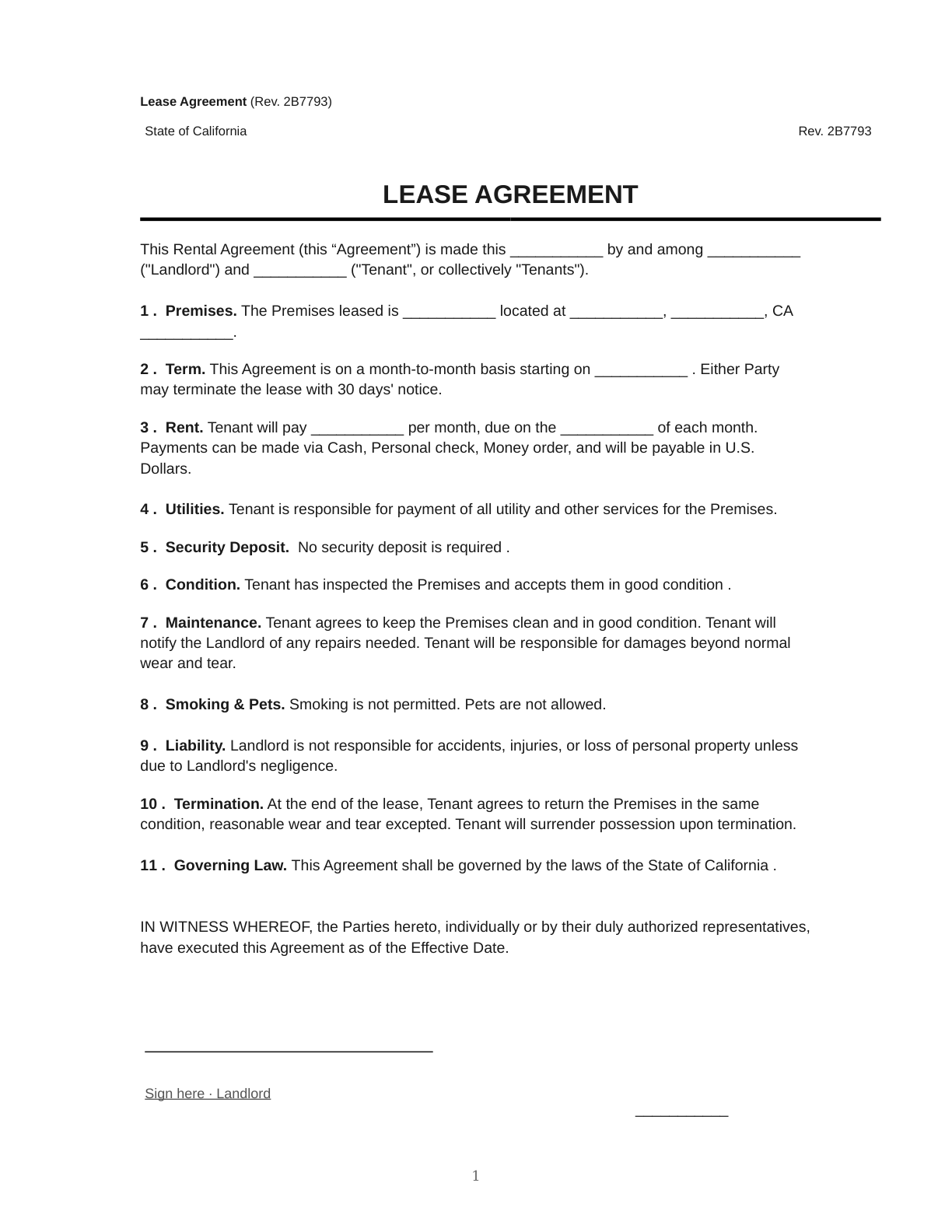
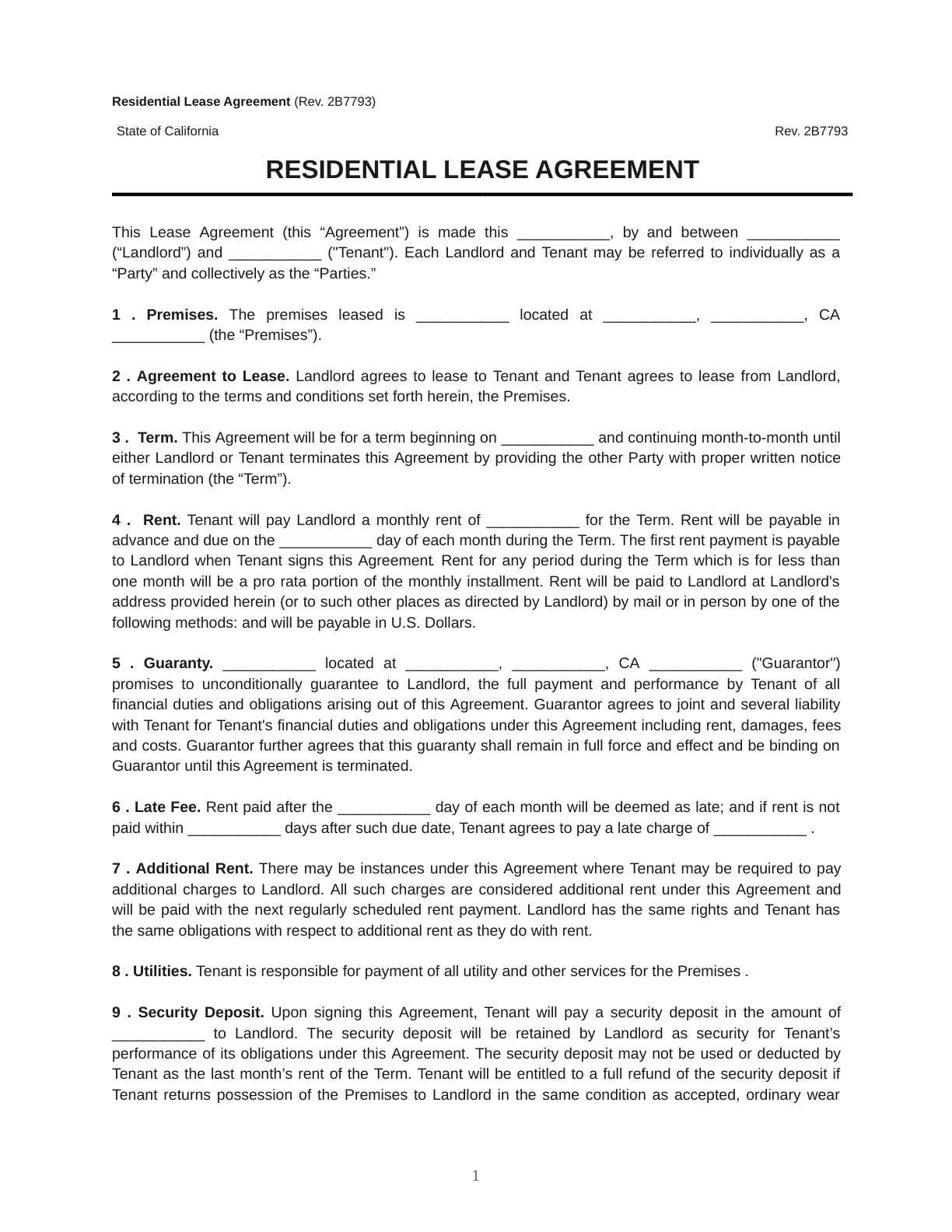
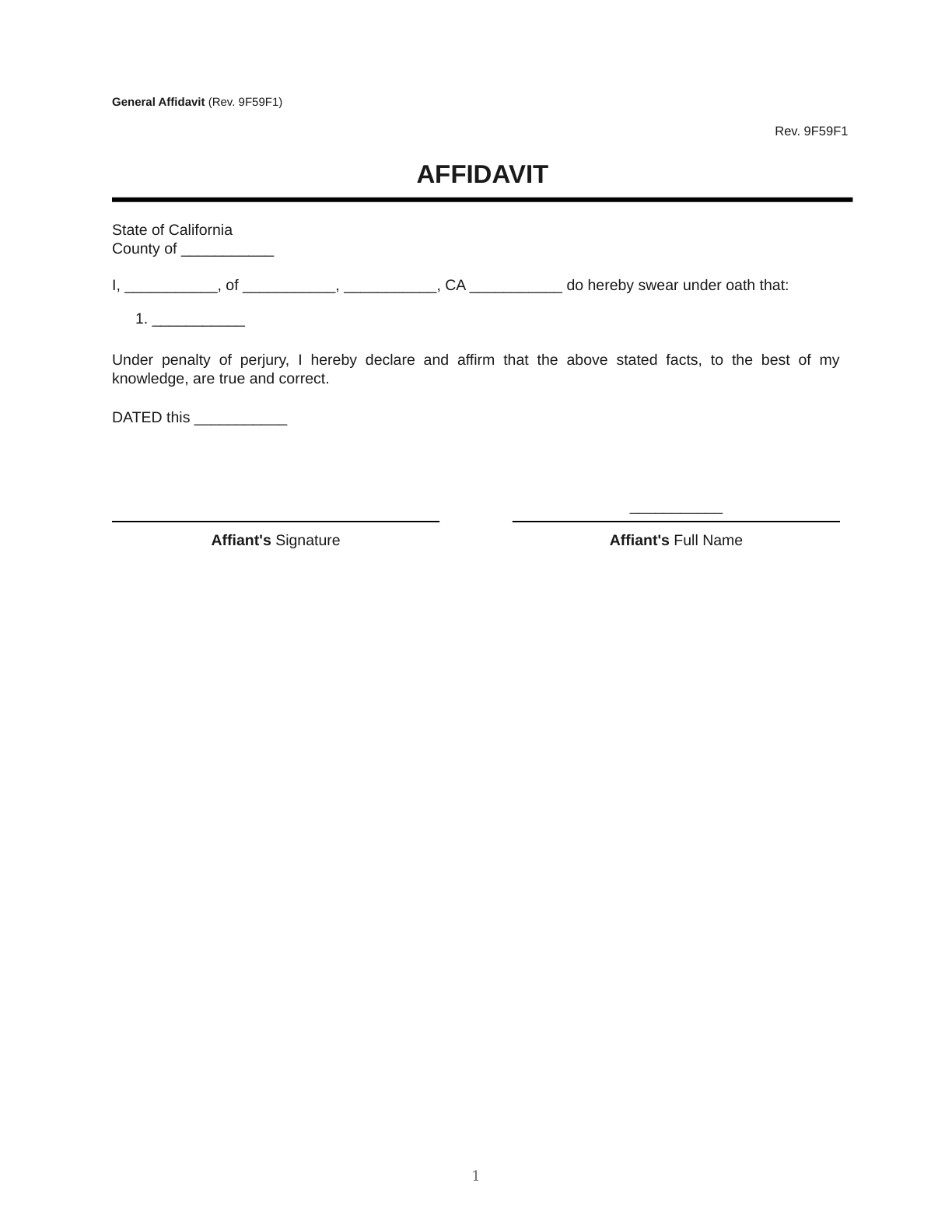
This page includes a sample Commercial Lease Agreement (California) with blank answer lines. Names, dates, dollar amounts, and other details are intentionally left unfilled so you can see the document structure.
Downloadable sample PDF and Word files include only the first 2 pages, plus a final page with a link to create the full document on Doqu. They are not complete, usable legal documents.
To complete this document: use the Doqu editor to answer guided questions. Your live preview updates as you fill in each field, then you can download or send the document for e-signature.
Download the sample files below to review layout and clause structure before you start.
Commercial Lease Agreement — other states
Browse commercial lease agreement templates for other US states.
- Alabama
- Alaska
- Arizona
- Arkansas
- California
- Colorado
- Connecticut
- Delaware
- Florida
- Georgia
- Hawaii
- Idaho
- Illinois
- Indiana
- Iowa
- Kansas
- Kentucky
- Louisiana
- Maine
- Maryland
- Massachusetts
- Michigan
- Minnesota
- Mississippi
- Missouri
- Montana
- Nevada
- New Hampshire
- New Jersey
- New Mexico
- New York
- North Carolina
- North Dakota
- Ohio
- Oklahoma
- Oregon
- Pennsylvania
- Rhode Island
- South Carolina
- South Dakota
- Tennessee
- Texas
- Utah
- Vermont
- Virginia
- Washington
- West Virginia
- Wisconsin
- Wyoming