A rental application template is a standardized form landlords and property managers use to collect information from prospective tenants before approving a lease. It helps you compare applicants on income, rental history, employment, and references — while documenting consent for credit and background checks.
This is a single national template. Federal Fair Housing Act rules apply everywhere; state and local laws may add protected classes or limit application fees. Confirm fee caps and screening rules for the property’s location before you charge a fee or run reports.
What is a rental application?
A rental application (tenant application form) asks an applicant to provide identity and contact details, residence and employment history, financial information, references, and authorization for screening. You use the completed form — plus lawful credit and background checks — to decide whether to offer a lease.
Unlike a lease, the application does not create a tenancy. It is an intake and screening document you keep on file if you approve or deny the applicant (subject to record-keeping rules in your state).
A rental application collects facts and consent for screening. It does not guarantee approval, set rent terms, or replace a signed lease.
What can a landlord legally ask?
You may generally ask for information relevant to the applicant’s ability to pay rent and comply with lease rules, such as:
| Topic | Typical questions |
|---|---|
| Identity & contact | Name, phone, email, government ID |
| Household | Other occupants, pets, vehicles (if parking is offered) |
| Income & employment | Employer, job title, supervisor contact, income |
| Rental history | Prior addresses, landlords, rent amounts, reasons for moving |
| Screening consent | Permission to verify information and pull credit/background reports |
| References | Personal or professional references (optional) |
Questions about eviction history, broken leases, bankruptcy, or criminal convictions may be allowed in some jurisdictions when asked consistently of all applicants and used in a nondiscriminatory way. Local ban-the-box and fair-housing rules vary — verify what you may ask where the property is located.
Fair housing: what you must not do
Under the federal Fair Housing Act, you cannot discriminate in rental applications or screening based on race, color, religion, sex (including gender identity and sexual orientation under HUD guidance), disability, familial status, or national origin. Many states and cities protect additional classes (source of income, marital status, veteran status, etc.).
HUD’s housing discrimination overview explains protected classes and complaint procedures. This template includes a fair-housing notice block matching common industry practice; it is not legal advice.
Application fees and screening
Many landlords charge a non-refundable application fee to cover credit and background checks. Whether you may charge a fee, how much, and whether it must be refundable if no check is run depends on state and local law.
| State / area | Common rule (verify current law) |
|---|---|
| California | Fee capped at actual out-of-pocket screening cost; itemized receipt often required |
| Colorado | Cap on application fee amount (statute updated periodically) |
| Minnesota | Fee must be reasonable; refund rules if unit is filled |
| New York (state / NYC) | Strict limits and disclosure rules in many localities |
| Oregon | Fee caps and refund requirements |
| Washington | Fee limited to actual cost of screening |
Enable the optional application-fee field in the form only if your jurisdiction allows the fee you plan to charge.
What this template includes
The guided form lets you configure the property address, optional co-applicant section, years of residence and employment history to request, optional eviction/broken-lease questions, pets/parking/smoking sections, personal references, application fee language, and applicant (plus optional landlord) e-signature lines.
Applicants complete blank fields on the printed or downloaded PDF — standard for rental applications — and sign the authorization and certification block.
How it works on Doqu
Configure the property
Enter the rental address and choose which optional sections to include (co-applicant, pets, parking, application fee, etc.).
Set screening options
Pick how many years of rental and employment history to require and whether to ask about evictions, broken leases, or personal references.
Preview, sign, and share
Review the live preview, collect the applicant’s e-signature on the authorization block, and download PDF or Word for your records.
Related documents
- Residential Rental Agreement (Sample) — record lease terms after you approve an applicant
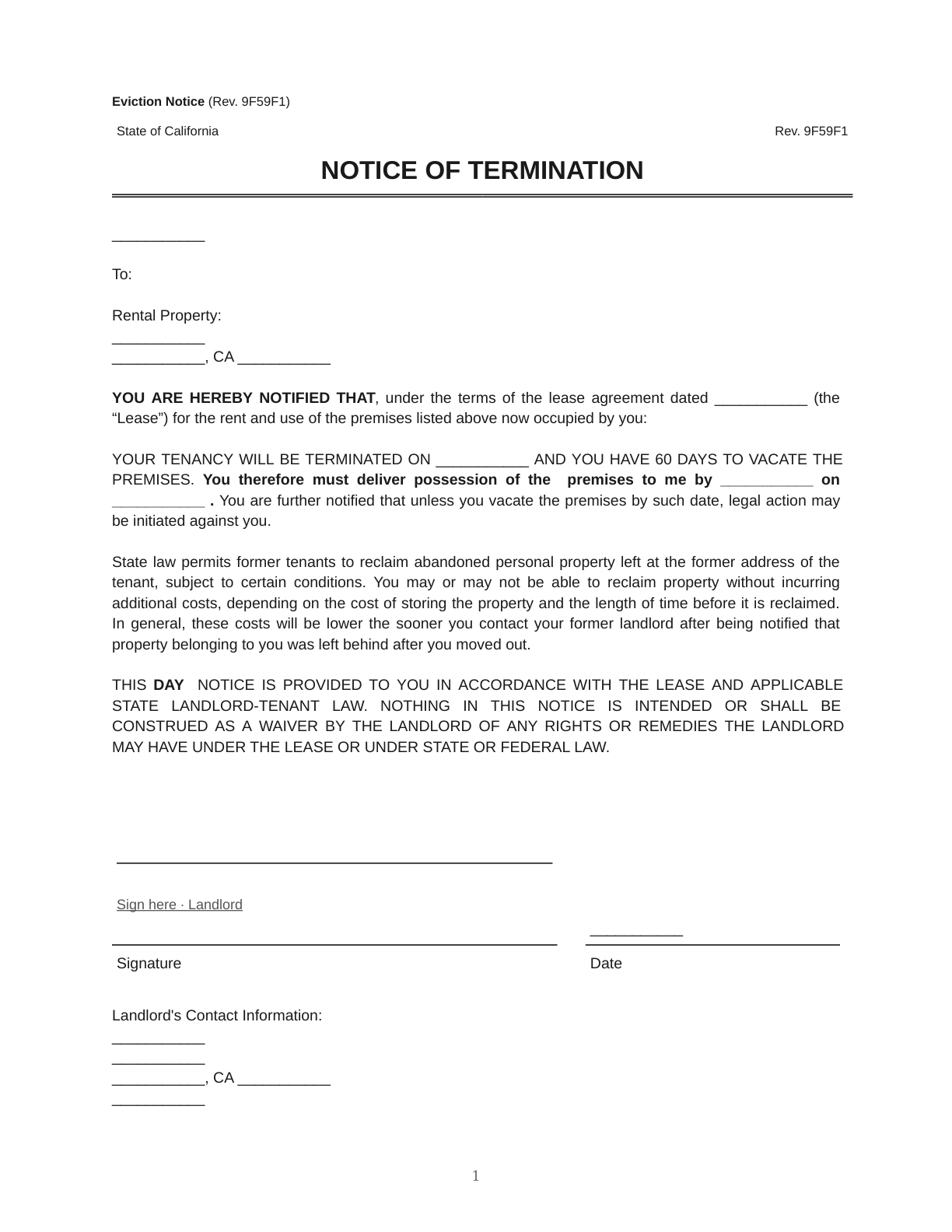
- Eviction Notice — if a tenant later breaches the lease
- Real Estate templates — more landlord and rental forms
- Landlord templates — eviction notices and rental applications
Frequently asked questions
Rental Application — other states
Browse rental application templates for other US states.
- Alaska
- Arizona
- Arkansas
- California
- Colorado
- Connecticut
- Delaware
- Florida
- Georgia
- Hawaii
- Idaho
- Illinois
- Indiana
- Iowa
- Kansas
- Kentucky
- Louisiana
- Maine
- Maryland
- Massachusetts
- Michigan
- Minnesota
- Mississippi
- Missouri
- Montana
- Nebraska
- Nevada
- New Hampshire
- New Jersey
- New Mexico
- New York
- North Carolina
- North Dakota
- Ohio
- Oklahoma
- Oregon
- Pennsylvania
- Rhode Island
- South Carolina
- South Dakota
- Tennessee
- Texas
- Utah
- Vermont
- Virginia
- Washington
- West Virginia
- Wisconsin
- Wyoming