A residential lease agreement is a written contract between a landlord and tenant that sets rent, utilities, pet policies, maintenance duties, and how either party can end the tenancy. This template is built for month-to-month residential rentals: the lease renews automatically each month until one side gives proper written notice.
Month-to-month leases offer flexibility for landlords who may sell or renovate and for tenants between jobs or relocating. The tradeoff is less long-term certainty on both sides. A written agreement reduces disputes about rent, deposits, guests, pets, and move-out expectations.
This is self-help information, not legal advice. Landlord-tenant rules vary by state and city. Confirm notice periods, deposit limits, rent-increase rules, and required disclosures for the property location before you sign or serve notice.
Multi-party landlords and tenants
Add individual or entity landlords and tenants with full notice addresses, email, phone, and optional government ID numbers. The lease includes a Parties table, joint-and-several liability for multiple tenants, optional guarantor e-sign, and expanded clauses (notices, estoppel, insurance, counterparts).
What is a month-to-month residential lease?
Unlike a fixed-term lease (often 12 months), a month-to-month residential lease has no set end date. It continues until the landlord or tenant terminates it with written notice as the agreement and local law require.
The agreement should identify the landlord and tenant(s), rental address, rent and due date, security deposit, utility responsibilities, house rules (pets, smoking, guests), maintenance obligations, and termination notice periods. All tenants on the lease typically share joint and several liability — each can be held responsible for the full rent and for damage to the unit.
Use this template for apartments, single-family homes, condos, and other residential units where the tenancy runs on a monthly cycle rather than a fixed end date.
A month-to-month lease stays in effect until properly terminated in writing. Verbal move-out dates or informal text messages usually do not end the tenancy or stop rent obligations.
Notice to terminate
Either party can end a month-to-month tenancy with written notice before the next rent period. Required days depend on your lease and state and local law (commonly 30 days; some jurisdictions require 60 or 90).
| Step | What to do |
|---|---|
| Check the lease | Use the notice period in your agreement if it meets statutory minimums |
| Put it in writing | Date the notice, identify the property, state the last day of tenancy, and sign |
| Deliver properly | Use personal delivery, certified mail, or other methods your state allows |
| Keep a copy | Document when and how notice was served |
If a tenant stays past the last day, the landlord may need formal eviction procedures. See our Eviction Notice template after confirming your state's requirements.
Rent increases
On a month-to-month lease, the landlord can often raise rent by giving advance written notice before the increase takes effect — subject to state and local limits. Many states require 30 days' notice for moderate increases and longer notice for larger ones. Rent control and just-cause cities may restrict how much and how often rent can rise, or may require relocation assistance.
The lease should state how rent increases will be communicated. Tenants who cannot accept a higher rent may terminate with proper notice rather than renewing at the new amount. Document every increase in writing and keep proof of delivery.
Security deposits
Most residential leases require a security deposit — money held by the landlord to cover unpaid rent or damage beyond normal wear and tear. State rules vary widely on:
- Maximum deposit amount (often one or two months' rent, or no statutory cap)
- Whether deposits must be held in a separate or interest-bearing account
- Itemized deduction statements and deadlines to return the deposit after move-out
- Whether interest must be paid to the tenant
Some states require returning the deposit within 14 to 30 days with an itemized list of deductions; others allow longer periods. Landlords in certain states must provide a written disclosure of where the deposit is held. Check your state's current landlord-tenant statute — the template lets you set deposit amount, return deadline, and optional interest language, but those fields must align with applicable law.
Lead-based paint (pre-1978 housing)
Federal law requires landlords of housing built before 1978 to give tenants specific information about lead-based paint hazards before move-in. The EPA lead disclosure rule requires:
- Disclosure of known lead-based paint and hazards in the unit
- Copies of available records and reports
- The EPA pamphlet Protect Your Family From Lead in Your Home
- A signed acknowledgment by tenant (and landlord)
If the property was built before 1978, the guided form adds the federally approved disclosure attachment. Do not skip this step for older apartments and houses — it applies nationwide regardless of state.
What this template includes
The form covers landlord and tenant names (including multiple tenants), property address, lease start date, rent and payment details, late fees where allowed, security deposit terms, utilities, maintenance and repair duties, pet and guest policies, parking, optional furnishings, default and notice rules, and e-signature lines. Optional sections appear based on your answers — lead paint disclosures only when the building predates 1978.
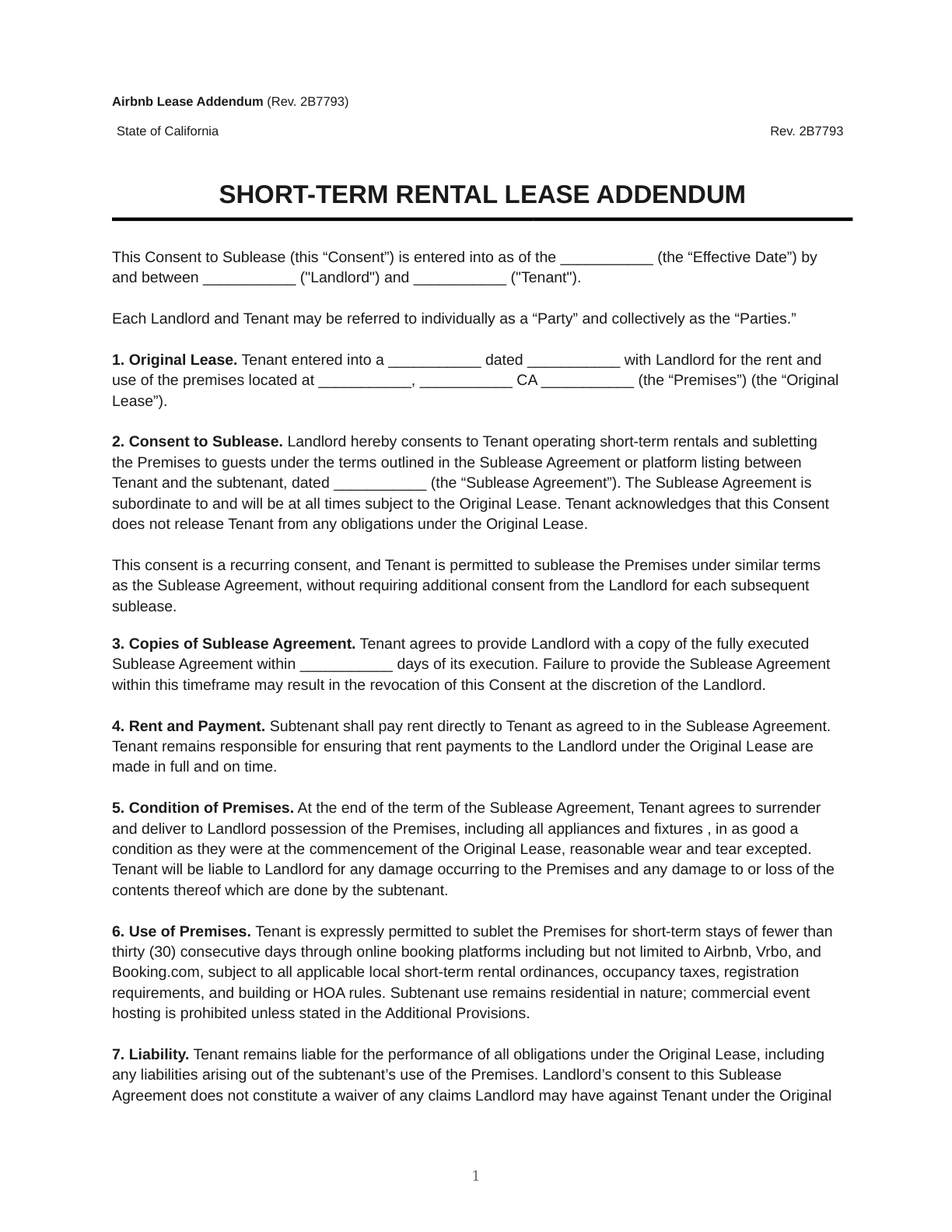
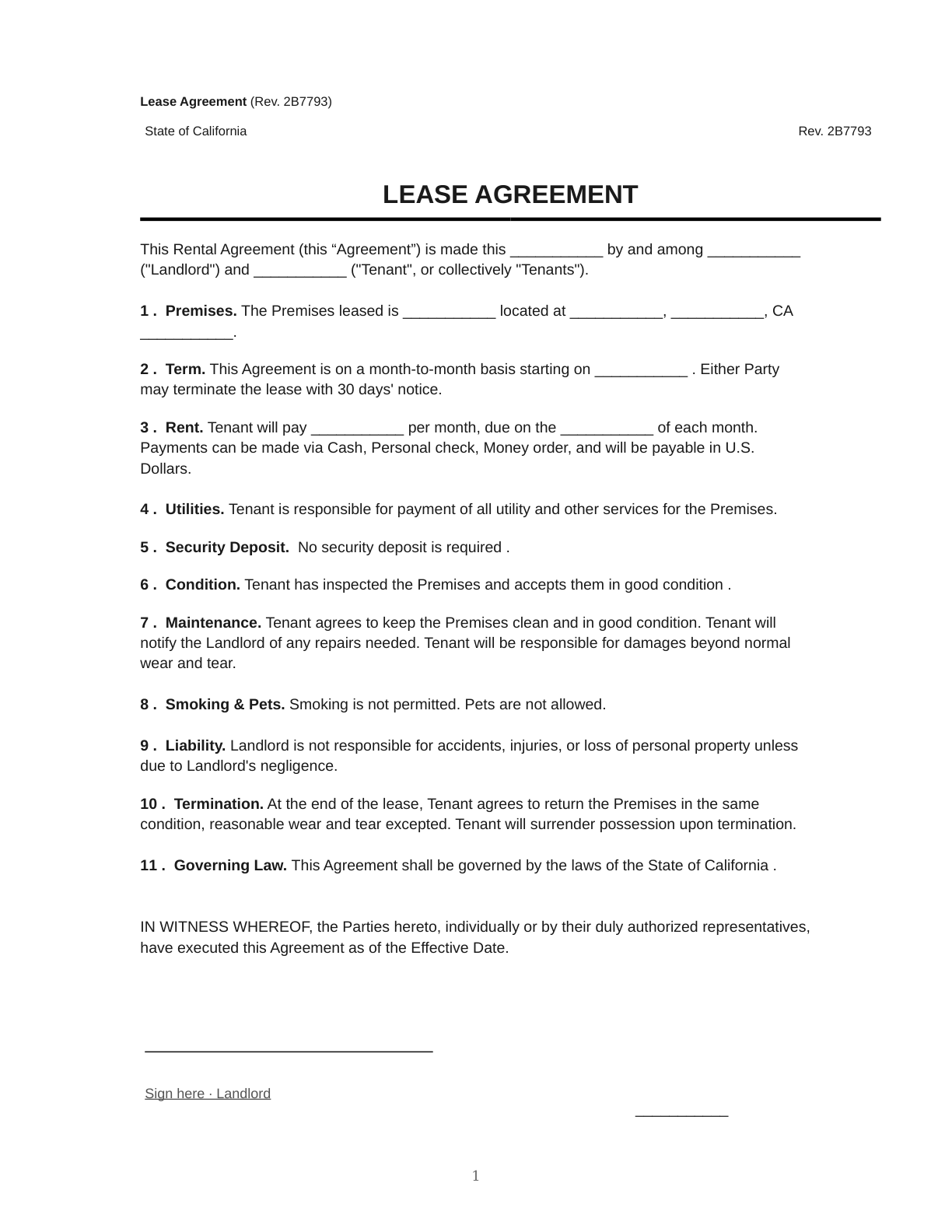
Screen applicants first with a Rental Application. For a shorter fixed layout, compare our Lease Agreement template. Short-term or platform hosting may need an Airbnb Lease Addendum in addition to the base lease.
How it works on Doqu
Enter parties and property
Add landlord and tenant names, the rental address, lease start date, and whether the unit was built before 1978.
Set rent, deposit, and rules
Configure monthly rent, due date, security deposit, utilities, pets, maintenance, and termination notice periods.
Preview, sign, and download
Review the live preview (including lead paint pages if applicable), collect e-signatures, and download PDF or Word.
Related documents
- Lease Agreement — concise lease layout for essential terms
- Airbnb Lease Addendum — short-term or platform rental rules on top of a base lease
- Rental Application — screen tenants before offering a lease
- Eviction Notice — written notice when a tenant must pay, cure a violation, or vacate
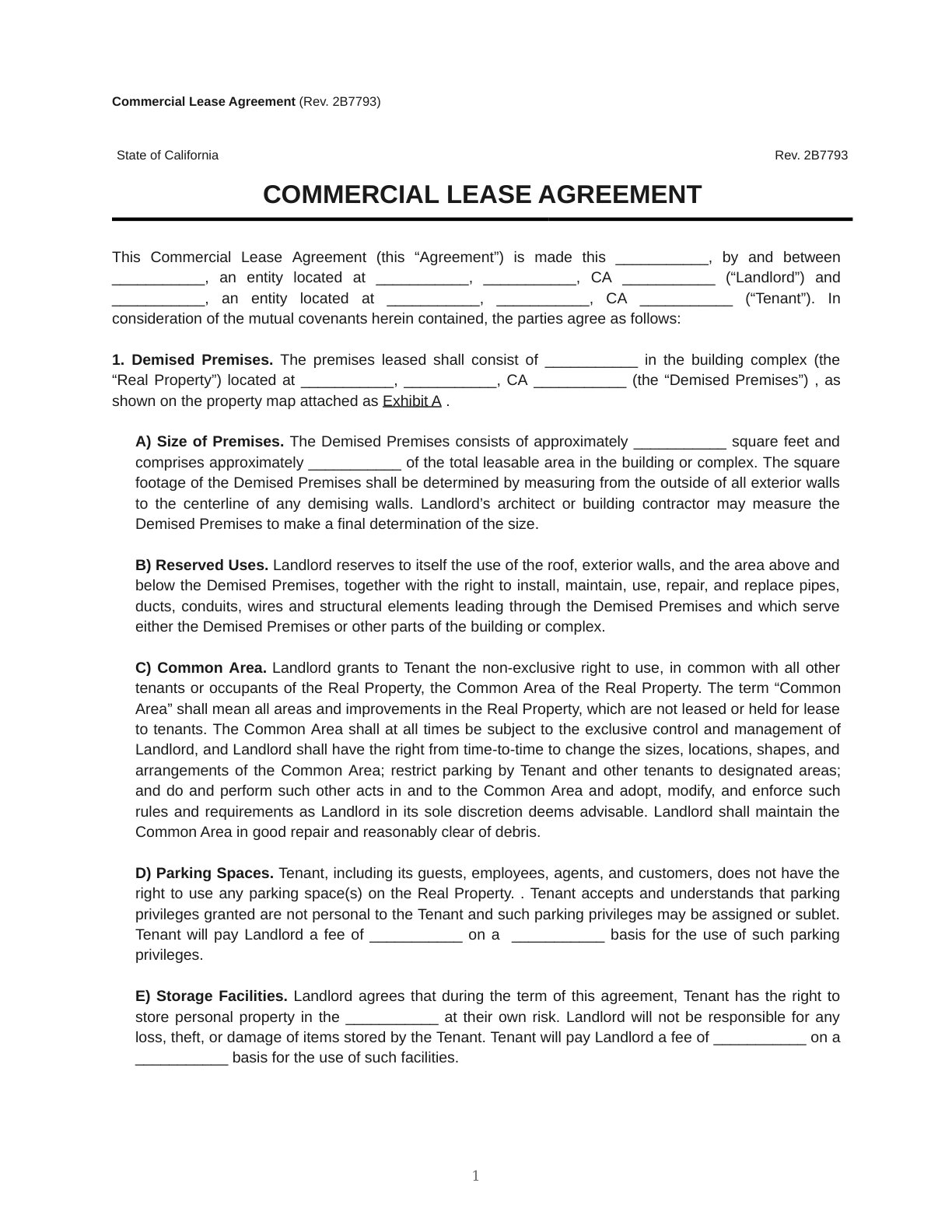
- Rental Agreements — more residential and commercial lease forms
Frequently asked questions
Sample document preview
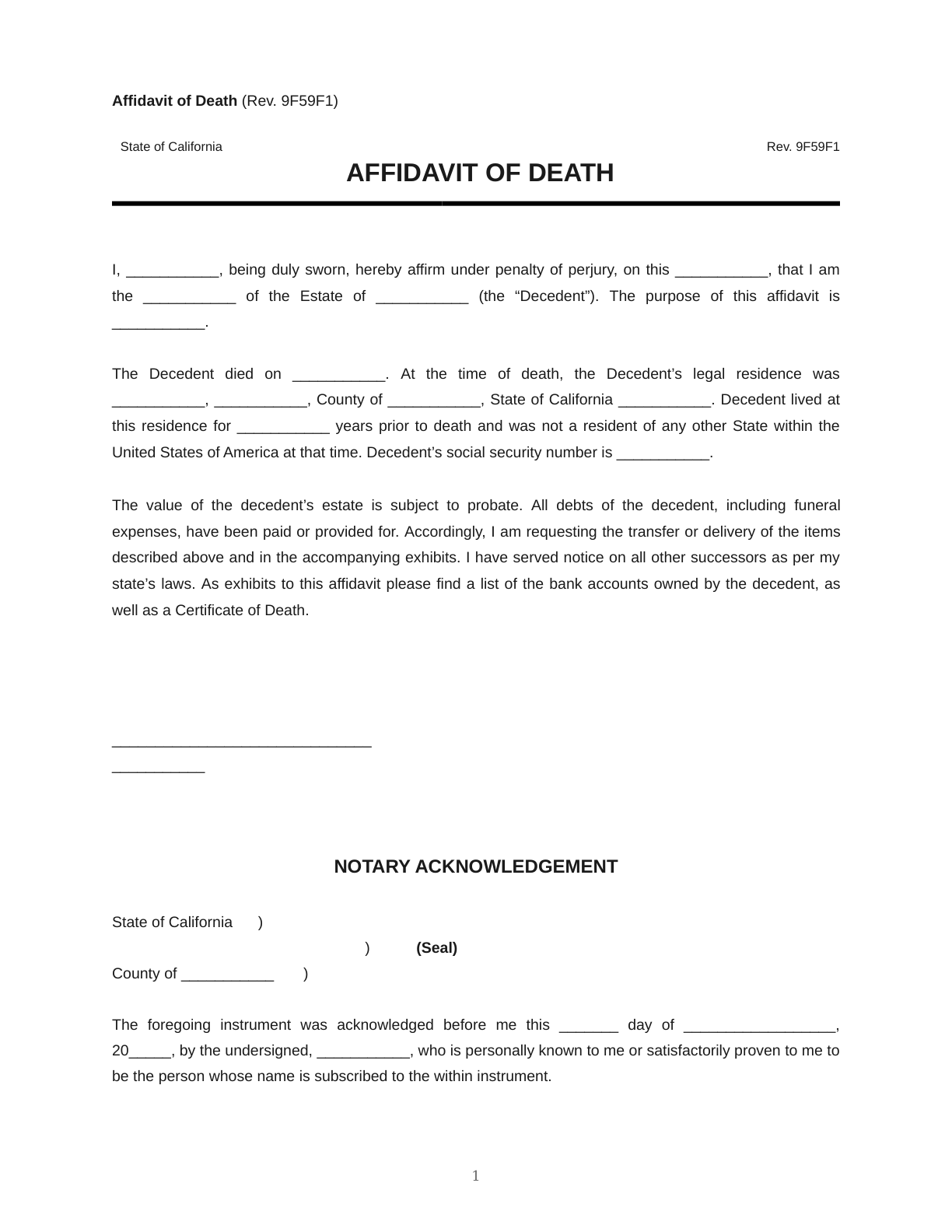
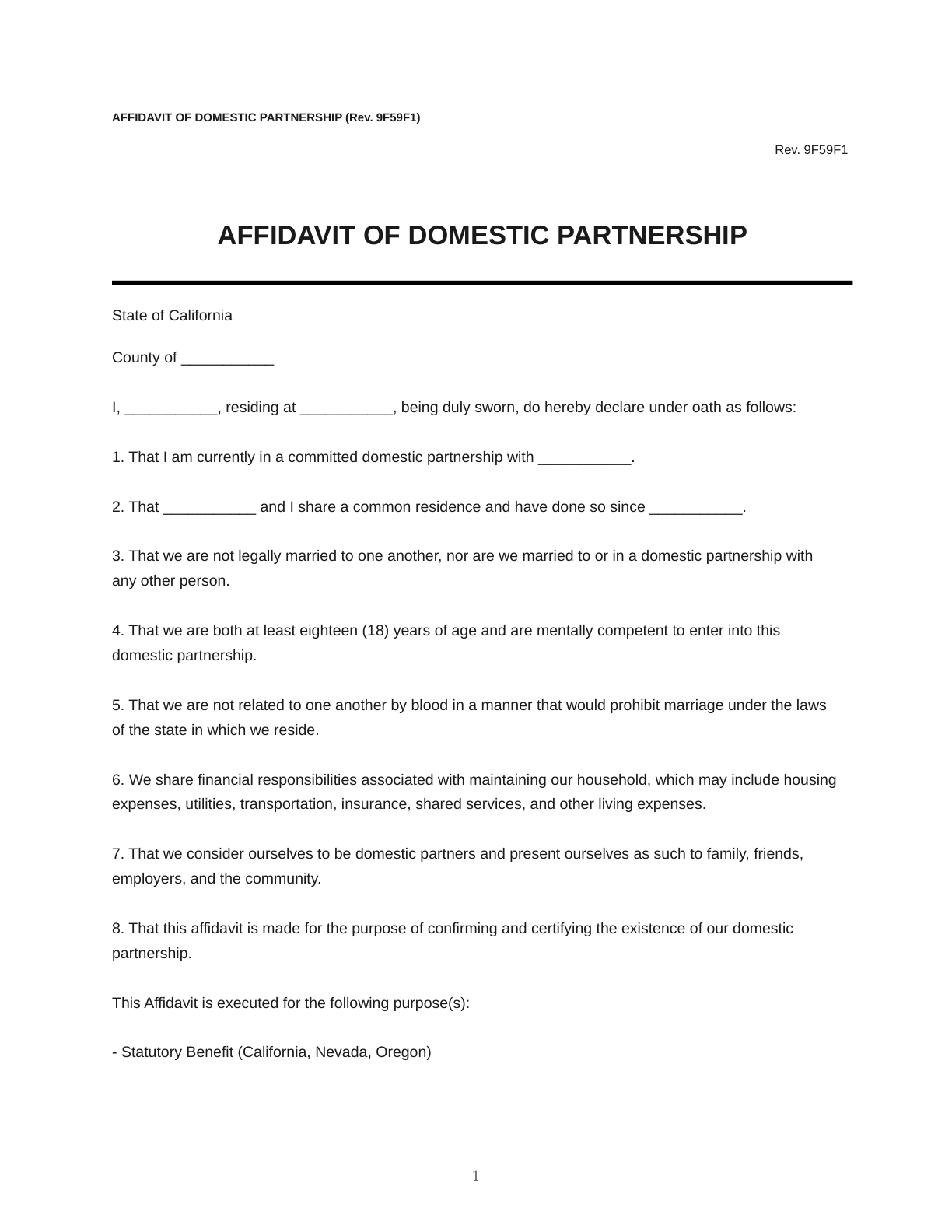
This page includes a sample Residential Lease Agreement (California) with blank answer lines. Names, dates, dollar amounts, and other details are intentionally left unfilled so you can see the document structure.
Downloadable sample PDF and Word files include only the first 2 pages, plus a final page with a link to create the full document on Doqu. They are not complete, usable legal documents.
To complete this document: use the Doqu editor to answer guided questions. Your live preview updates as you fill in each field, then you can download or send the document for e-signature.
Download the sample files below to review layout and clause structure before you start.
Residential Lease Agreement — other states
Browse residential lease agreement templates for other US states.
- Alabama
- Alaska
- Arizona
- Arkansas
- California
- Colorado
- Connecticut
- Delaware
- Florida
- Georgia
- Hawaii
- Idaho
- Illinois
- Indiana
- Iowa
- Kansas
- Kentucky
- Louisiana
- Maine
- Maryland
- Massachusetts
- Michigan
- Minnesota
- Mississippi
- Missouri
- Montana
- Nebraska
- Nevada
- New Jersey
- New Mexico
- New York
- North Carolina
- North Dakota
- Ohio
- Oklahoma
- Oregon
- Pennsylvania
- Rhode Island
- South Carolina
- South Dakota
- Tennessee
- Texas
- Utah
- Vermont
- Virginia
- Washington
- West Virginia
- Wisconsin
- Wyoming