When buying or selling firearms privately, creating a clear, written record is essential for legal compliance and personal peace of mind. A firearm bill of sale serves as an official receipt of transfer, documenting the transaction details between buyer and seller, including identifying information for the weapon. Create your customized, printable firearm bill of sale form today: answer guided questions, preview your completed document, and download it instantly in PDF or MS Word format.
Using a standardized bill of sale helps satisfy state-mandated record-keeping requirements and protects both parties by recording the legal transfer of ownership. Whether you are transferring a rifle, shotgun, or handgun, our template adapts to your specific transaction while ensuring you capture the vital information required for firearm records.
What Is a Firearm Bill of Sale?
A firearm bill of sale is a legal document that officially records the transfer of a firearm from an existing owner to a new buyer. It functions as a receipt that details the date of sale, the purchase price, and specific information about the weapon, such as its make, model, and serial number.
While federal law does not strictly mandate a bill of sale for all private transfers, many states have their own specific laws regarding private gun sales, including requirements for background checks or registration documentation. A bill of sale provides a vital audit trail that establishes that the transfer took place privately and in accordance with the law, helping both buyer and seller maintain orderly records of their property.
A firearm bill of sale creates an essential legal record of the transfer, verifying the identities of both parties, the specifics of the firearm, and the fact that the transaction was documented legally.
Why Do You Need a Gun Bill of Sale?
Documenting a private firearm transaction is about more than just a receipt; it is a critical step in safe ownership and liability management.
- Proof of Transfer: It acts as legal evidence indicating when the firearm was transferred, protecting the seller if the firearm is later used in an illegal manner after it is out of their possession.
- Regulatory Compliance: Some jurisdictions mandate written documentation for private transfers, and having a formal, signed bill of sale helps ensure you meet these operational requirements.
- Verification of Ownership: For the buyer, the document serves as proof that they have lawfully acquired the firearm from the previous seller, which may be helpful for insurance or future record-keeping.
- Professionalism: Using a structured, legal template ensures that no critical details (such as the legal eligibility of the buyer) are overlooked during the transaction.
Important Legal Requirements for Private Firearm Sales
Laws regarding firearm transfers are strictly regulated and vary significantly from one state to another. Before finalizing a private sale, you must understand your local jurisdiction's requirements.
- Federal Limitations: Under federal law, private sellers generally are not required to conduct a background check, provided they do not have reason to believe the buyer is prohibited from owning a firearm. However, many states have enacted stricter local legislation.
- Prohibited Persons: It is a federal crime to knowingly sell or transfer a firearm to a prohibited person, such as those convicted of certain felonies, domestic violence offenders, or individuals adjudicated as mentally defective.
- State-Mandated Background Checks: Increasing numbers of states (including California, New York, Washington, and others) require private firearm sales to be processed through a licensed Federal Firearms Licensee (FFL), which then conducts the mandatory background check.
Key Details Required: Serial Number, Make, Model, and Caliber
To be effective, your firearm bill of sale must be precise. Our template includes dedicated fields to ensure all essential data is captured:
- Make and Model: The manufacturer (e.g., Remington, Smith & Wesson) and the specific model type.
- Serial Number: The unique identifier stamped on the receiver of the firearm. This is the most crucial piece of information for tracking.
- Caliber or Gauge: Specifying the ammunition type (e.g., 9mm, .223 Rem, 12-gauge).
- Type of Firearm: Clearly categorizing the item as a handgun, rifle, or shotgun.
- Buyer and Seller Information: Full legal names, current addresses, and driver's license numbers for identification purposes.
State-Specific Gun Laws and Background Checks
Your local laws take precedence in any firearm transaction. In states that mandate universal background checks for private sales, you must meet the buyer at a local gun shop or FFL to perform the transfer. Failing to adhere to these regional requirements can result in severe legal penalties. Always review your state's Department of Justice (DOJ) or relevant state law enforcement handbook before initiating any transfer.
Does a Firearm Bill of Sale Need to Be Notarized or Registered?
The need for notarization depends on your state of residence. While not required by federal law, some states may request a notarized signature for specific types of transfers (such as for handguns) or to satisfy local registration requirements.
Registration, however, is a separate concept. Some states operate firearm registries, while others forbid them. A bill of sale is not, in itself, a state registration document, although it may be required as supporting documentation if you are reporting a transfer of a firearm to your local authorities.
Civil Liabilities and Record Keeping for Safe Ownership Transfer
Maintaining clear records is a hallmark of a responsible gun owner. You should keep a signed copy of the bill of sale indefinitely as part of your personal property and legal records. If you represent a business or are dealing with an estate in a business or personal property context, keeping these documents filed organized, alongside your other important business assets, is essential.
Frequently Asked Questions
Explore our additional resources, including vehicle bill of sale templates and guides on managing business property, to see how we help with various legal documentation needs.
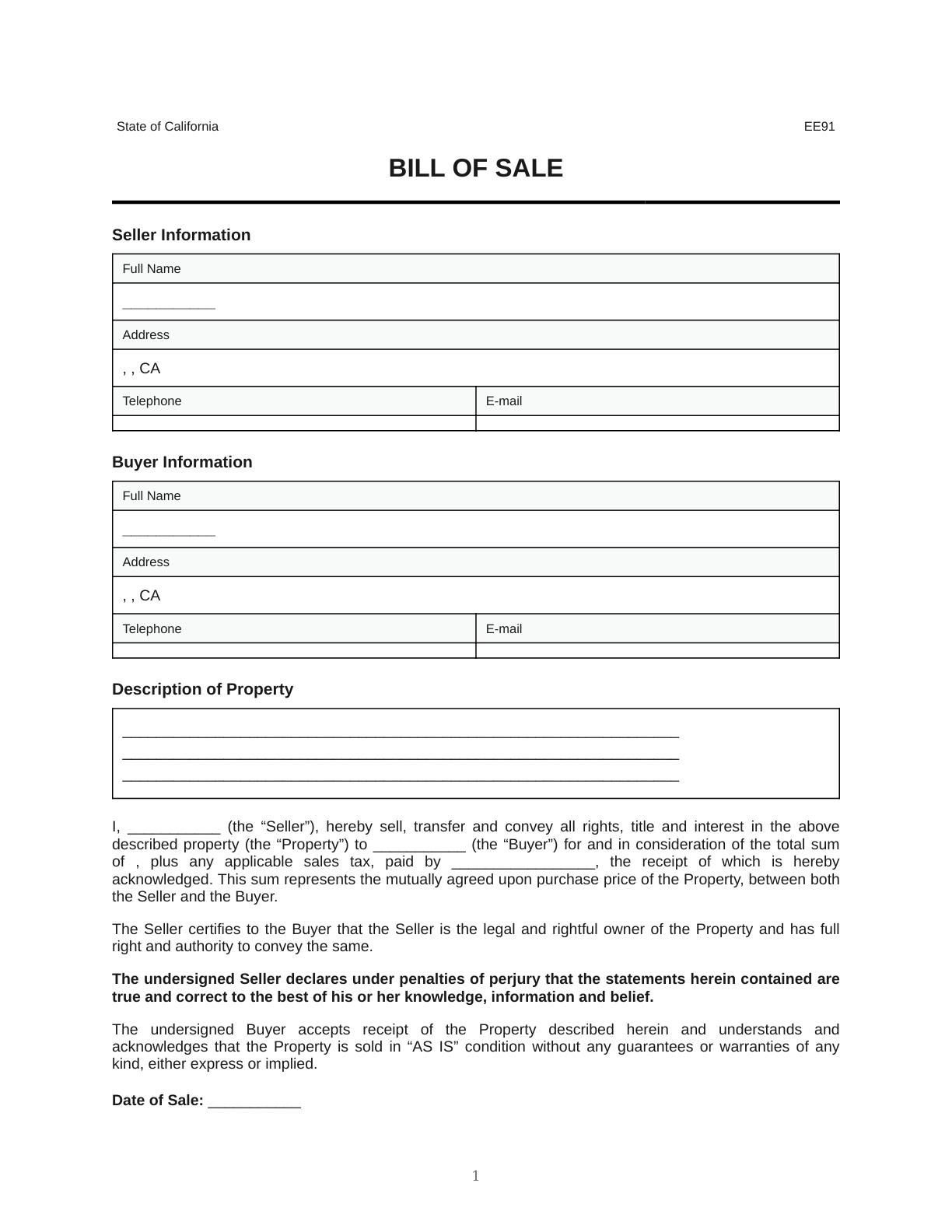
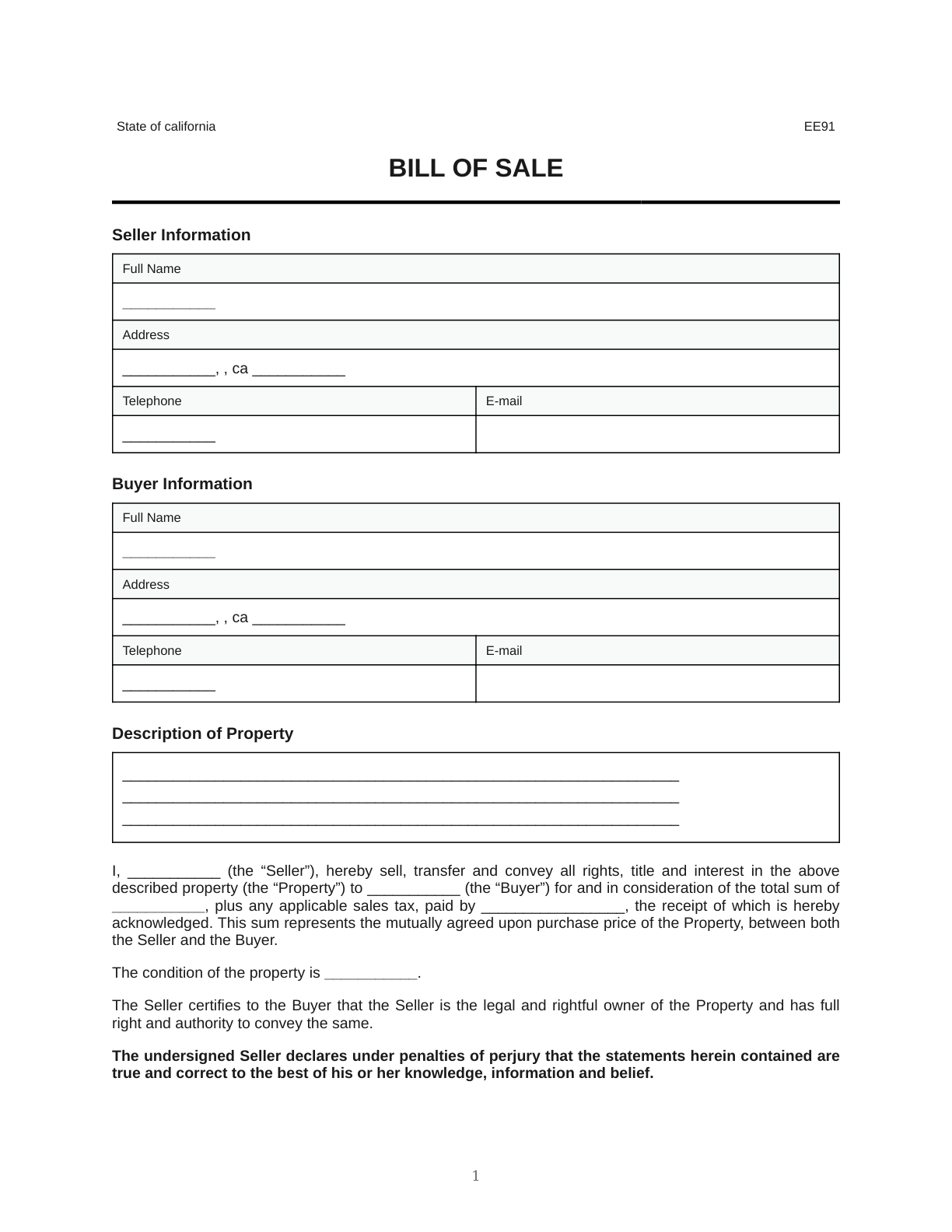
Sample document preview
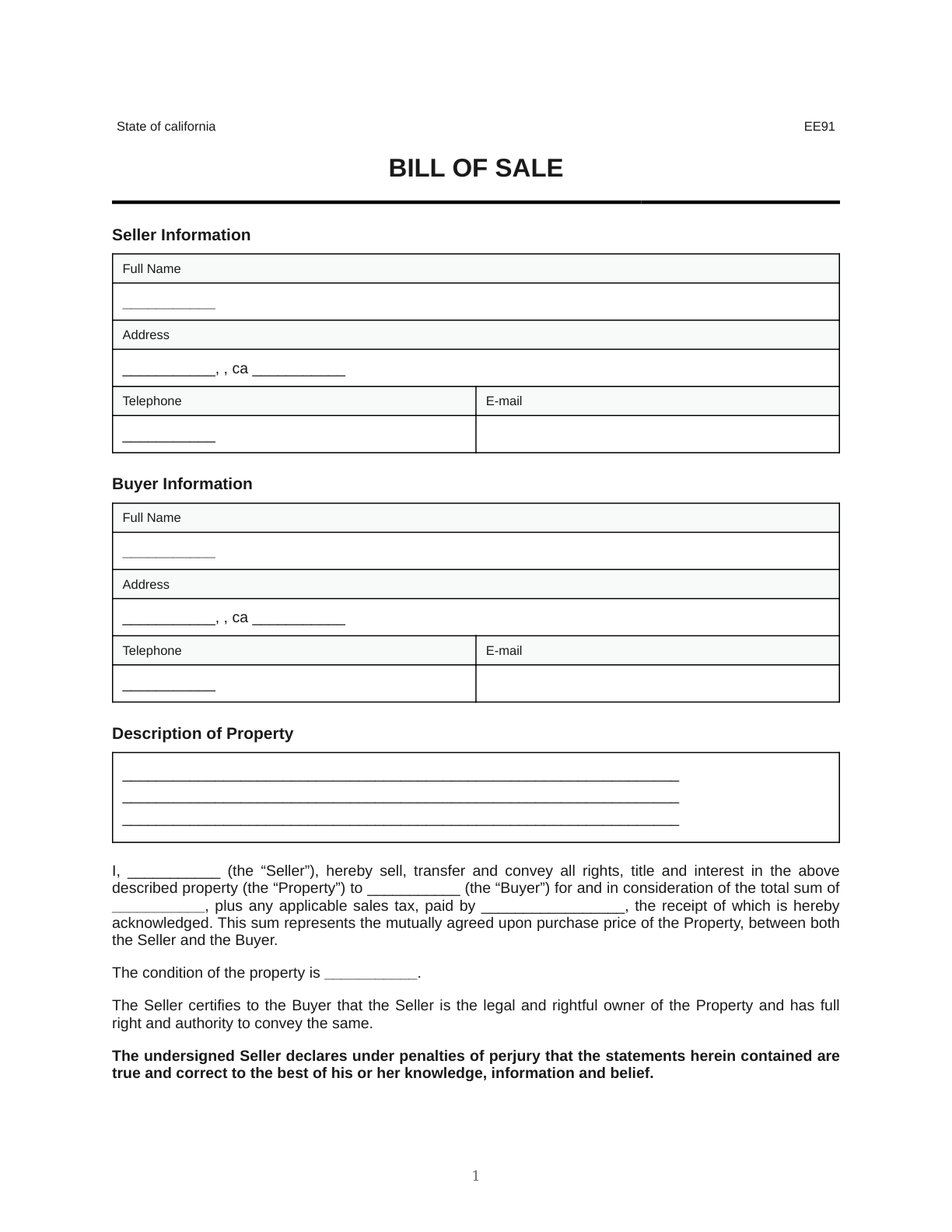
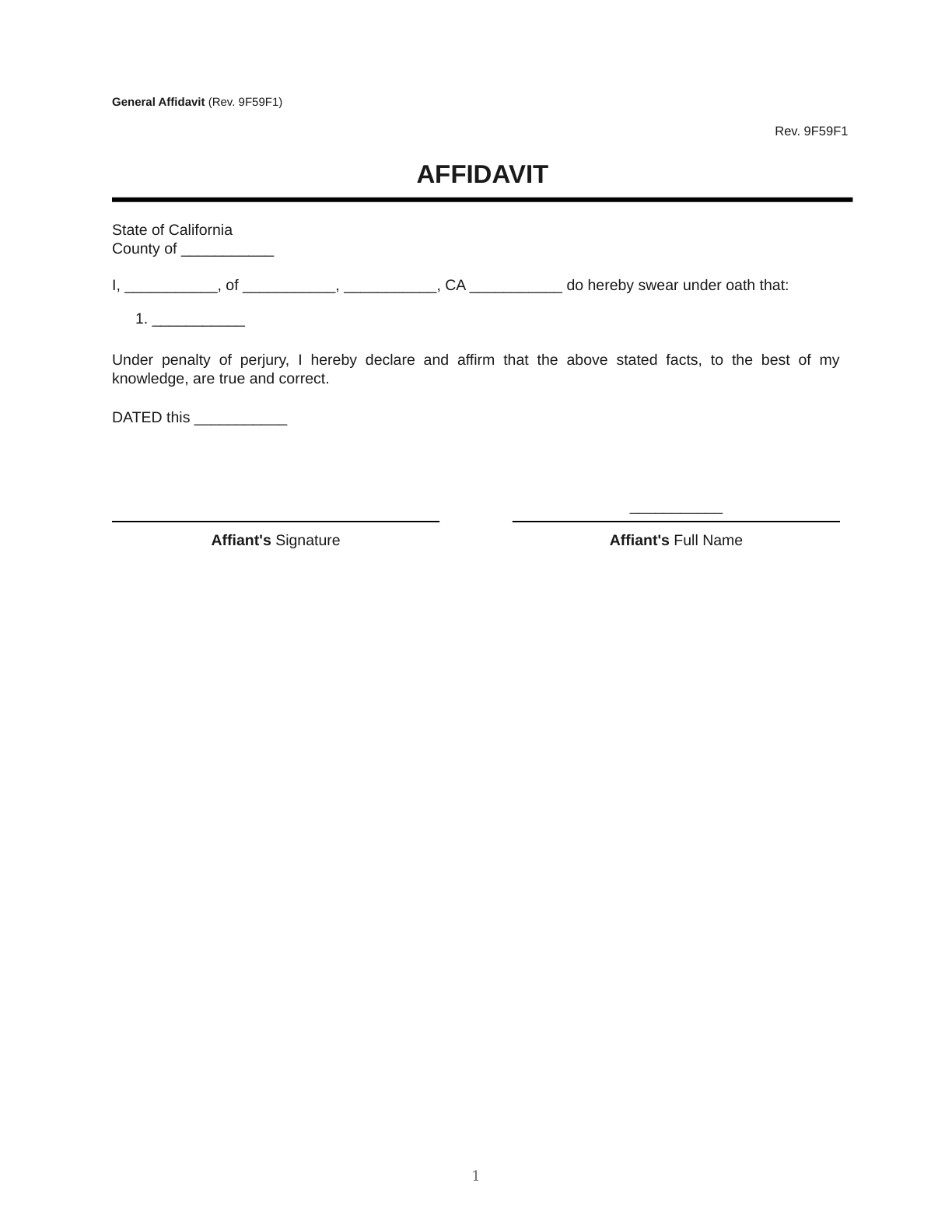
This page includes a sample Firearm Bill of Sale (California) with blank answer lines. Names, dates, dollar amounts, and other details are intentionally left unfilled so you can see the document structure.
Downloadable sample PDF and Word files include only the first 2 pages, plus a final page with a link to create the full document on Doqu. They are not complete, usable legal documents.
To complete this document: use the Doqu editor to answer guided questions. Your live preview updates as you fill in each field, then you can download or send the document for e-signature.
Download the sample files below to review layout and clause structure before you start.
Firearm Bill of Sale — other states
Browse firearm bill of sale templates for other US states.
- Alaska
- Arizona
- Arkansas
- California
- Colorado
- Connecticut
- Delaware
- Florida
- Georgia
- Hawaii
- Idaho
- Illinois
- Indiana
- Iowa
- Kansas
- Kentucky
- Louisiana
- Maine
- Maryland
- Massachusetts
- Michigan
- Minnesota
- Mississippi
- Missouri
- Montana
- Nebraska
- Nevada
- New Hampshire
- New Jersey
- New Mexico
- New York
- North Carolina
- North Dakota
- Ohio
- Oklahoma
- Oregon
- Pennsylvania
- Rhode Island
- South Carolina
- South Dakota
- Tennessee
- Texas
- Utah
- Vermont
- Virginia
- Washington
- West Virginia
- Wisconsin
- Wyoming